







Explore the technical pros and cons of metal vs. wood frames for custom coffee tables. Learn about load-bearing, weather resistance, and long-term durability.
When sourcing custom coffee tables for high-end residential or commercial projects, the choice of frame material is the single most critical factor determining a piece’s lifespan and structural integrity. For interior designers and developers, understanding the performance trade-offs between metal and wood is essential to ensuring client satisfaction.
At ChiCasa, we integrate extensive custom coffee table manufacturing data to help our partners make informed decisions based on technical requirements and long-term durability.
1. Structural Integrity and Load-Bearing Performance
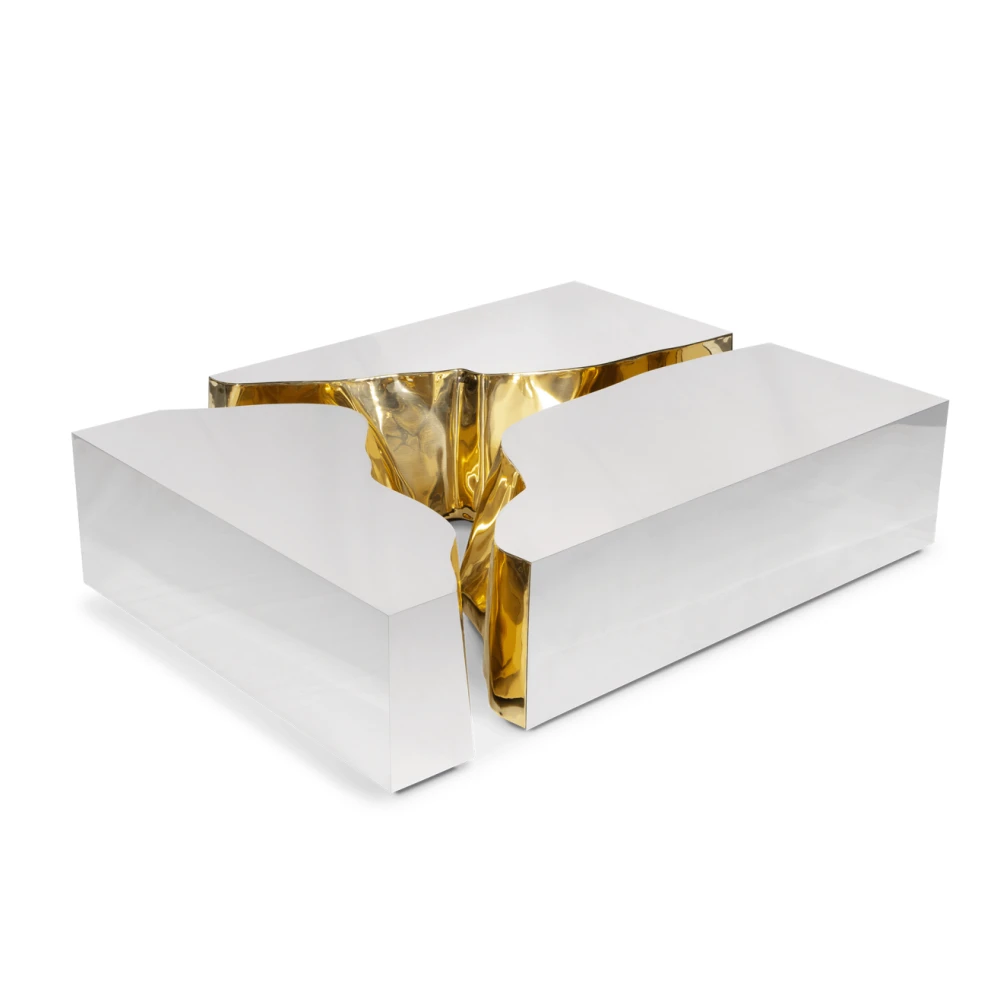
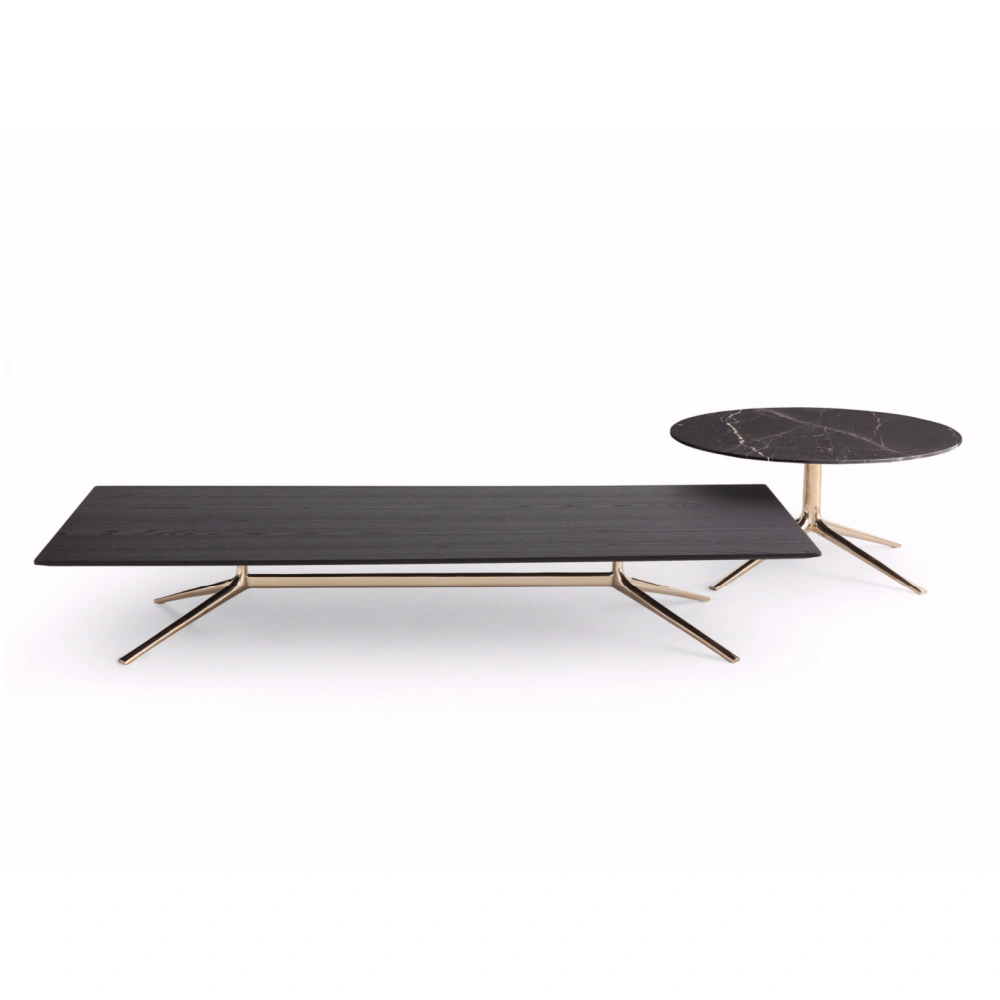
- Metal Frames: Engineered for high-stress environments, metal (stainless steel, iron, or aluminum alloy) provides superior tensile strength. Precision welding ensures that joints do not loosen over time, making metal-framed custom coffee tables ideal for high-traffic commercial lounges or public hospitality spaces.
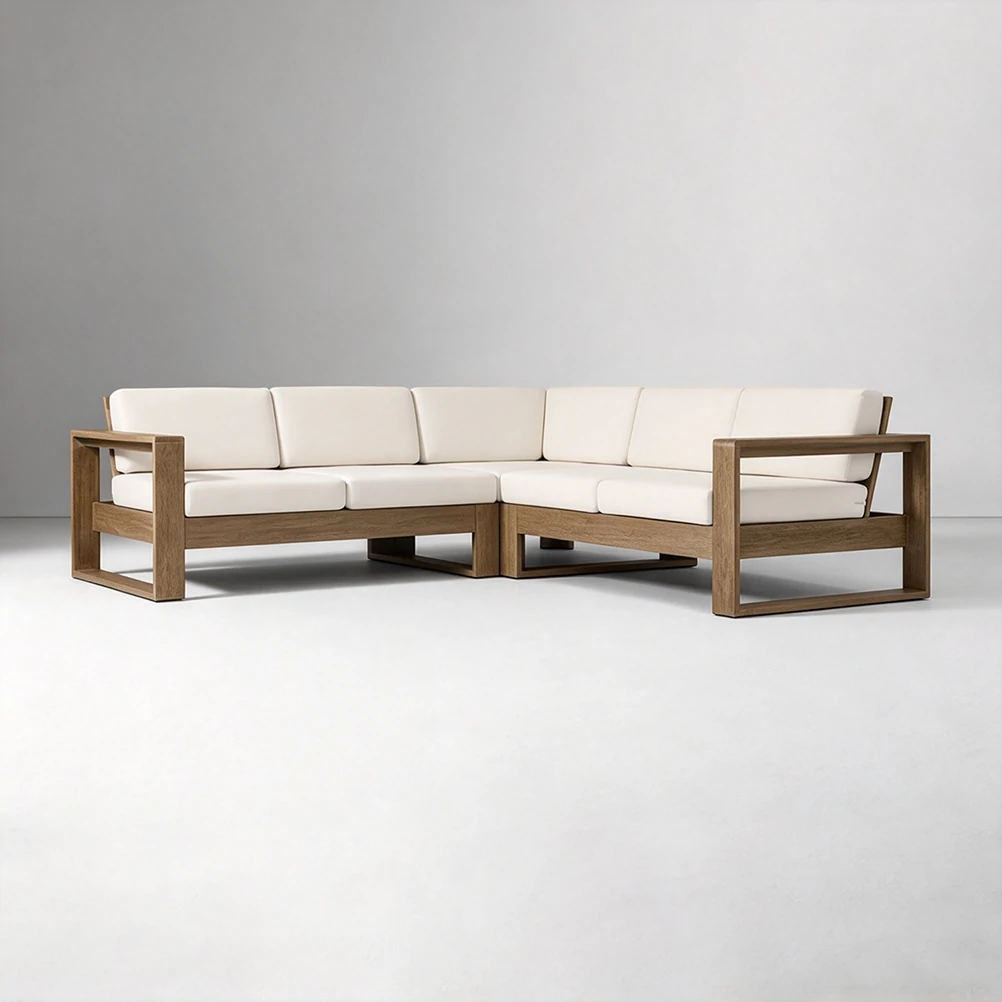
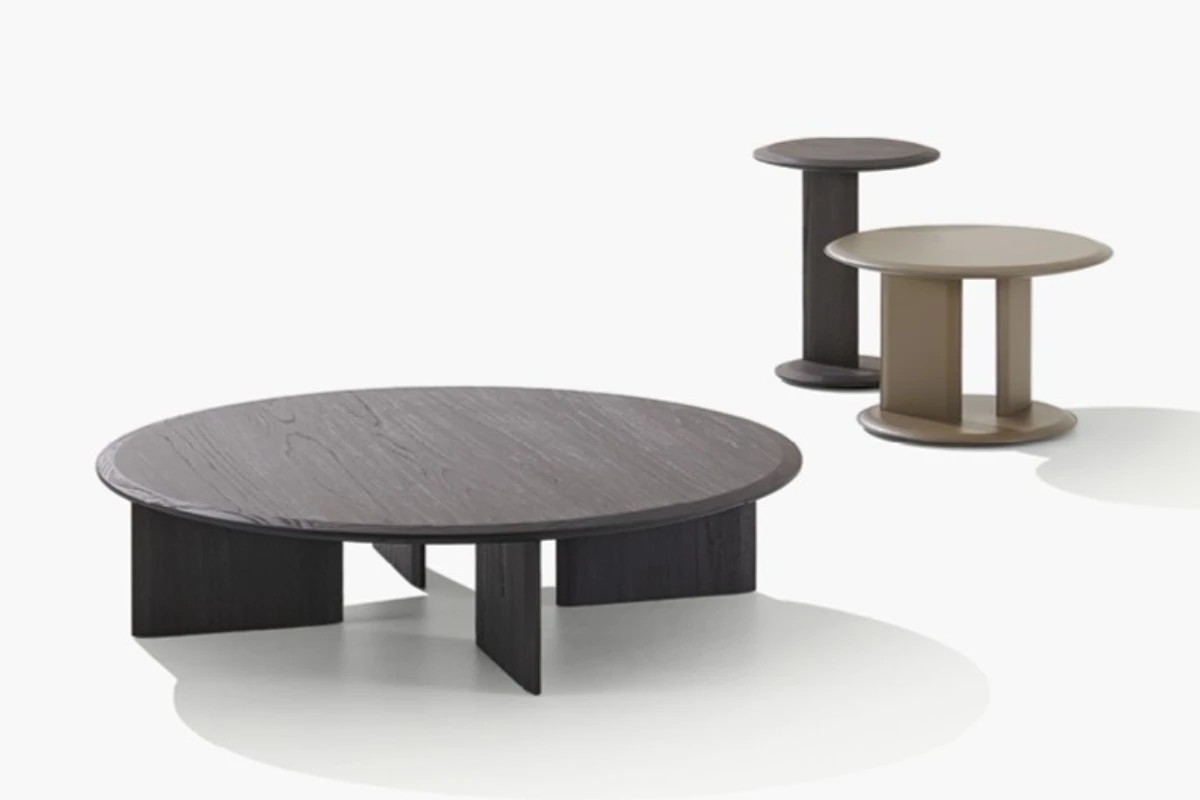
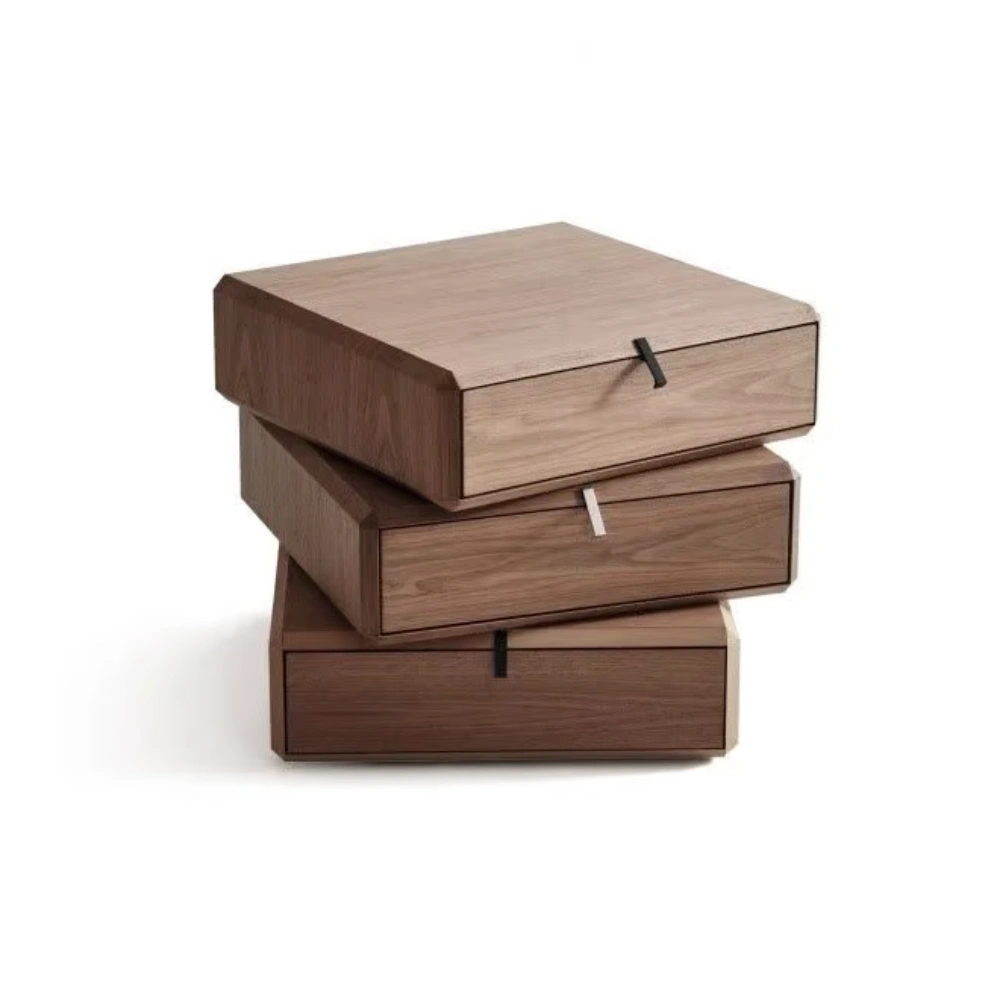
- Wood Frames: High-quality hardwoods (such as walnut or oak) offer excellent compression strength and natural elasticity. However, their structural performance is highly dependent on joinery techniques—such as mortise-and-tenon or dovetail joints—which are susceptible to degradation if exposed to fluctuating humidity levels over long periods.
2. Resistance to Environmental Factors
- Metal: Modern metal frames are typically treated with powder coating or electroplating, providing excellent resistance to corrosion, moisture, and temperature fluctuations. This makes them the preferred choice for projects in humid or coastal climates.
- Wood: While wood offers an aesthetic warmth that metal cannot replicate, it is hygroscopic. In environments with poor climate control, wood frames can warp, swell, or crack. Successful wood-based custom coffee tables require professional kiln-drying and high-grade sealants to maintain dimensional stability.
3. Maintenance and Long-term Aesthetics
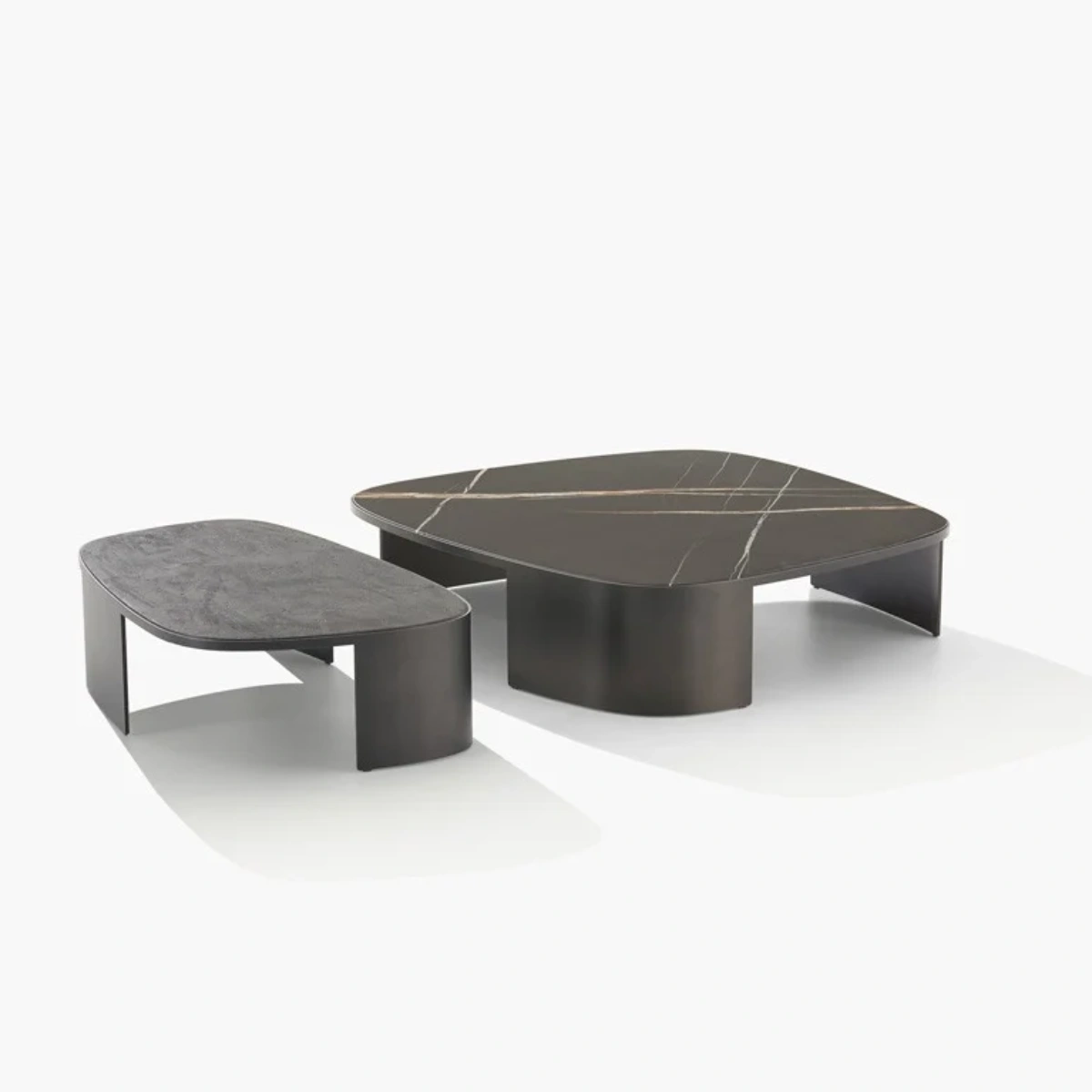
- Maintenance: Metal frames are virtually maintenance-free, requiring only periodic wiping with a non-abrasive cloth. Wood frames, conversely, require specialized oil or wax treatments to prevent the finish from drying out and to maintain the surface’s visual depth over the years.
- Aesthetic Evolution: Wood develops a “patina” over time, which many luxury clients view as a value-add. Metal, when treated with high-end finishes like brushed brass or matte black, offers a timeless, clean silhouette that resists signs of wear more effectively than softer woods.
Conclusion: Which Material Fits Your Project?
For projects prioritizing high-frequency commercial use and minimalist aesthetics, metal-framed custom coffee tables offer unmatched reliability. For residential projects where warmth, texture, and organic appeal are the design drivers, expertly crafted wood remains the gold standard.
ChiCasa: Trusted Custom Home Furniture Manufacturer
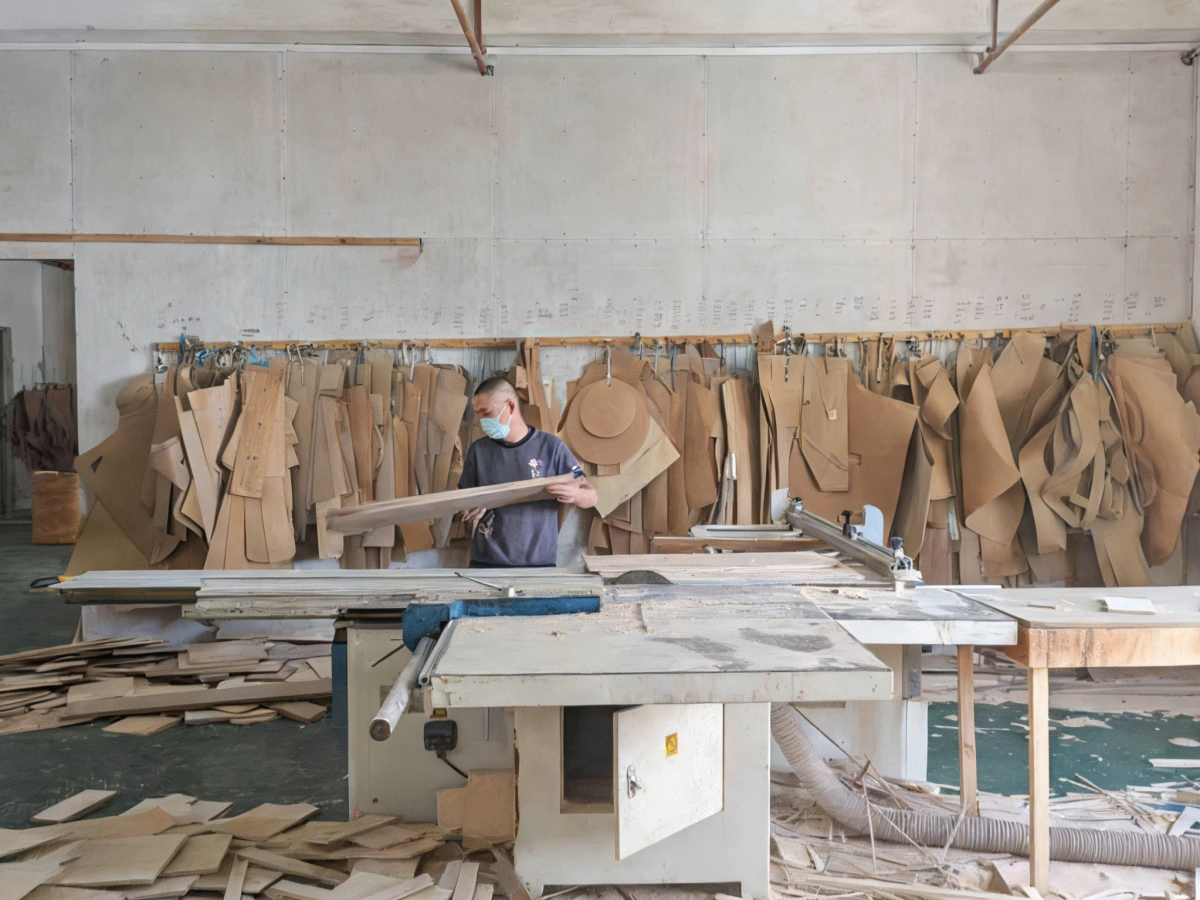
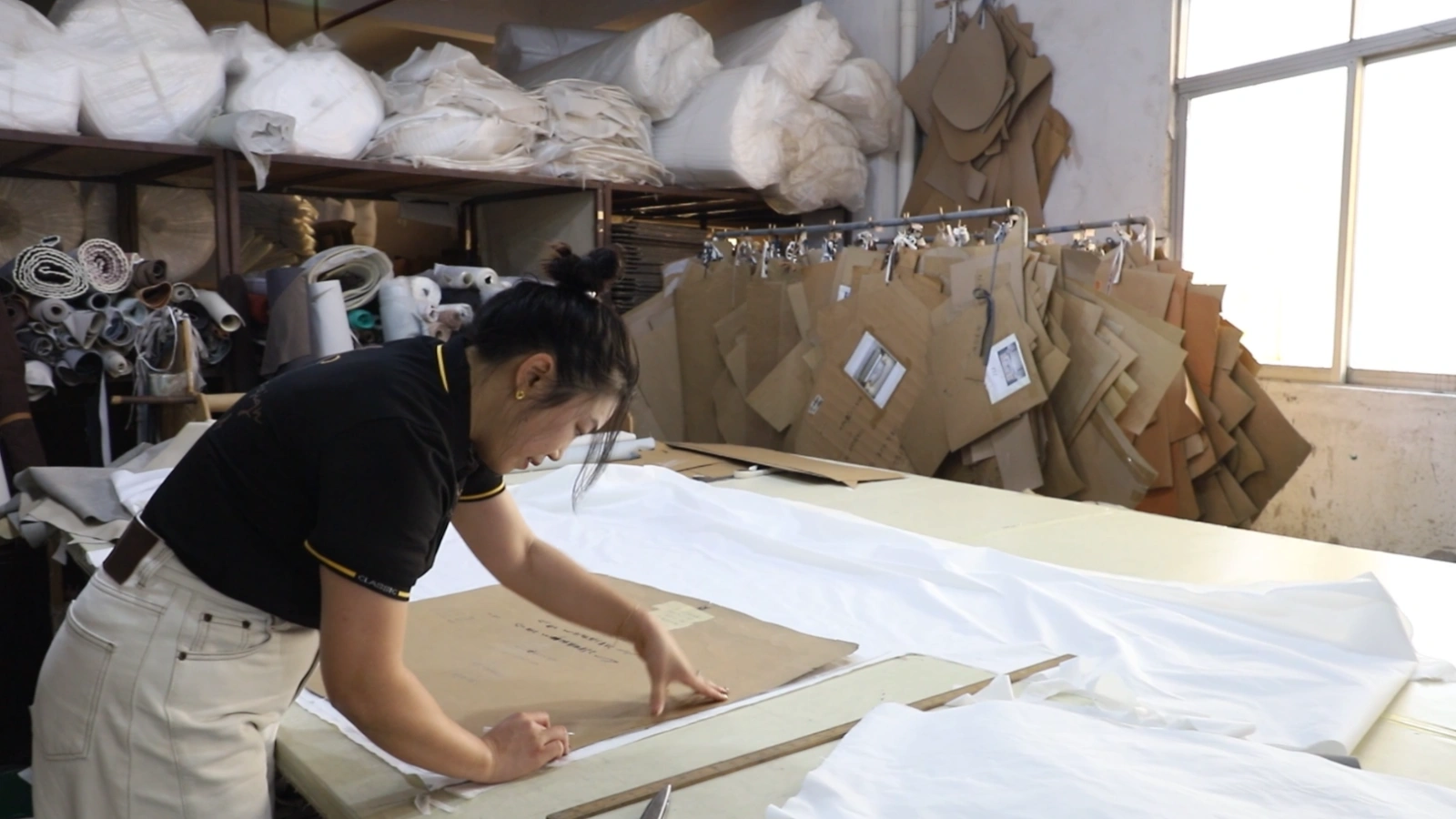
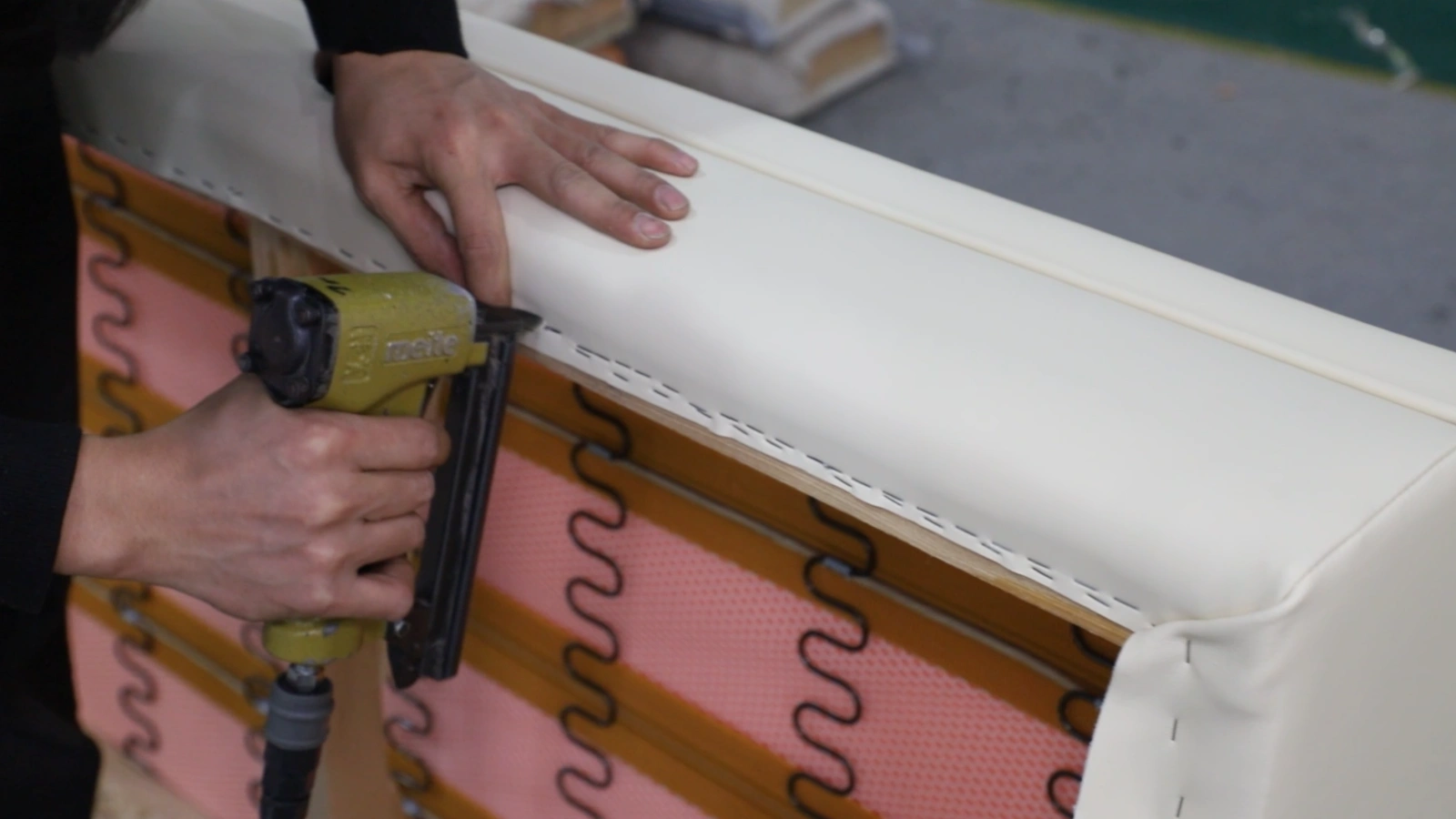
Founded in 2005, ChiCasa is a leading home furniture manufacturer based in Foshan, China. With over 20 years of experience in high-end bespoke furniture, we specialize in OEM, ODM, and comprehensive custom solutions tailored to residential and large-scale commercial needs.
We serve a global clientele, including architects, developers, contractors, interior designers, furniture brands, and private villa project owners. As your trusted manufacturing partner, ChiCasa provides flexible, scalable, and quality-driven production services.
From individual bespoke residential pieces to full-home furnishing solutions, ChiCasa transforms design concepts and technical drawings into refined, market-ready furniture solutions.

Ready to bring your design vision to life?
We invite architects, designers, and project managers to partner with us. Whether you have a complex CAD project or a high-volume commercial requirement, contact our team today to discuss your next project.