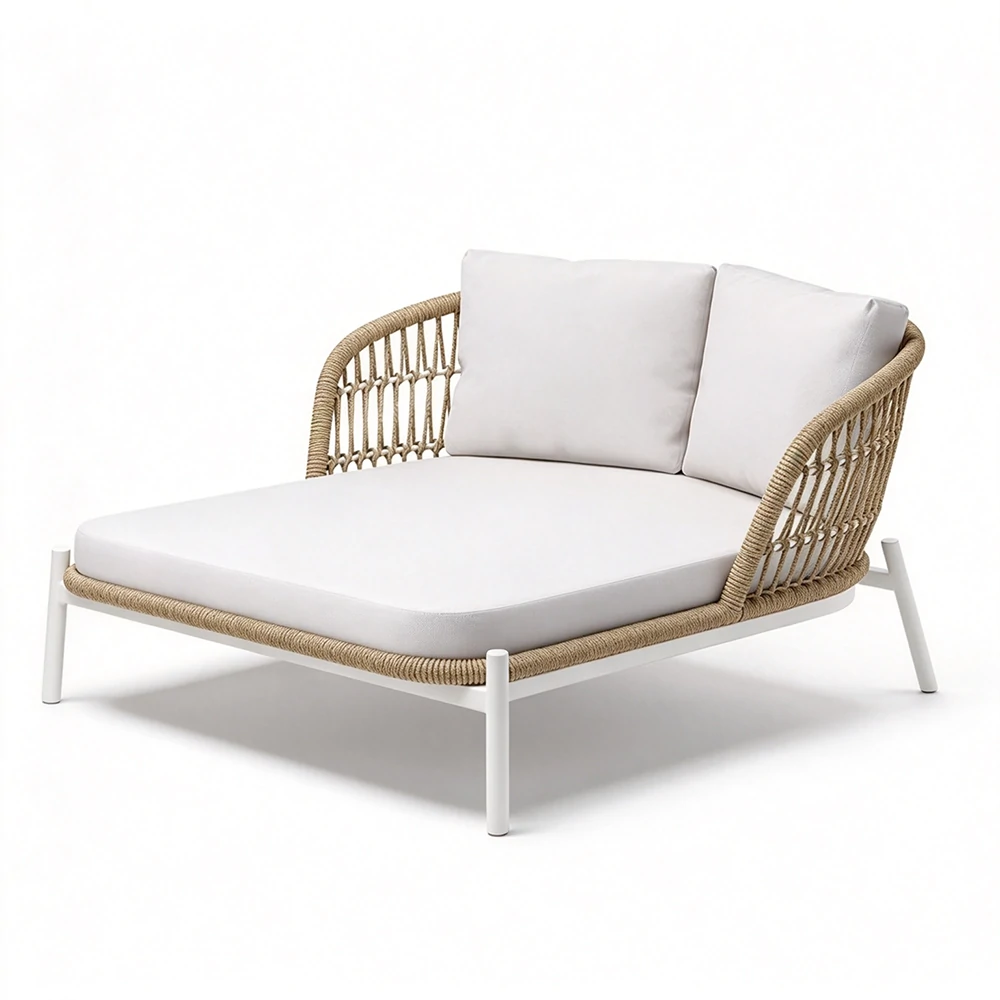
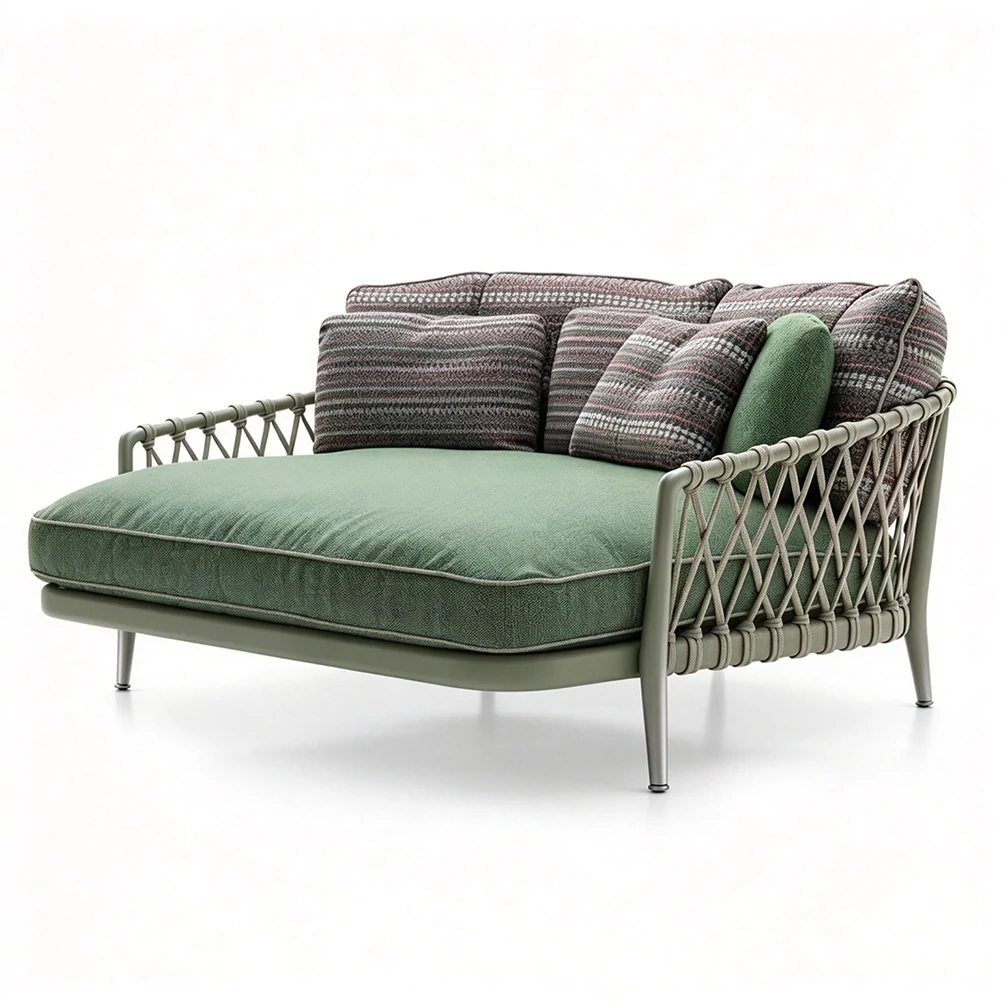
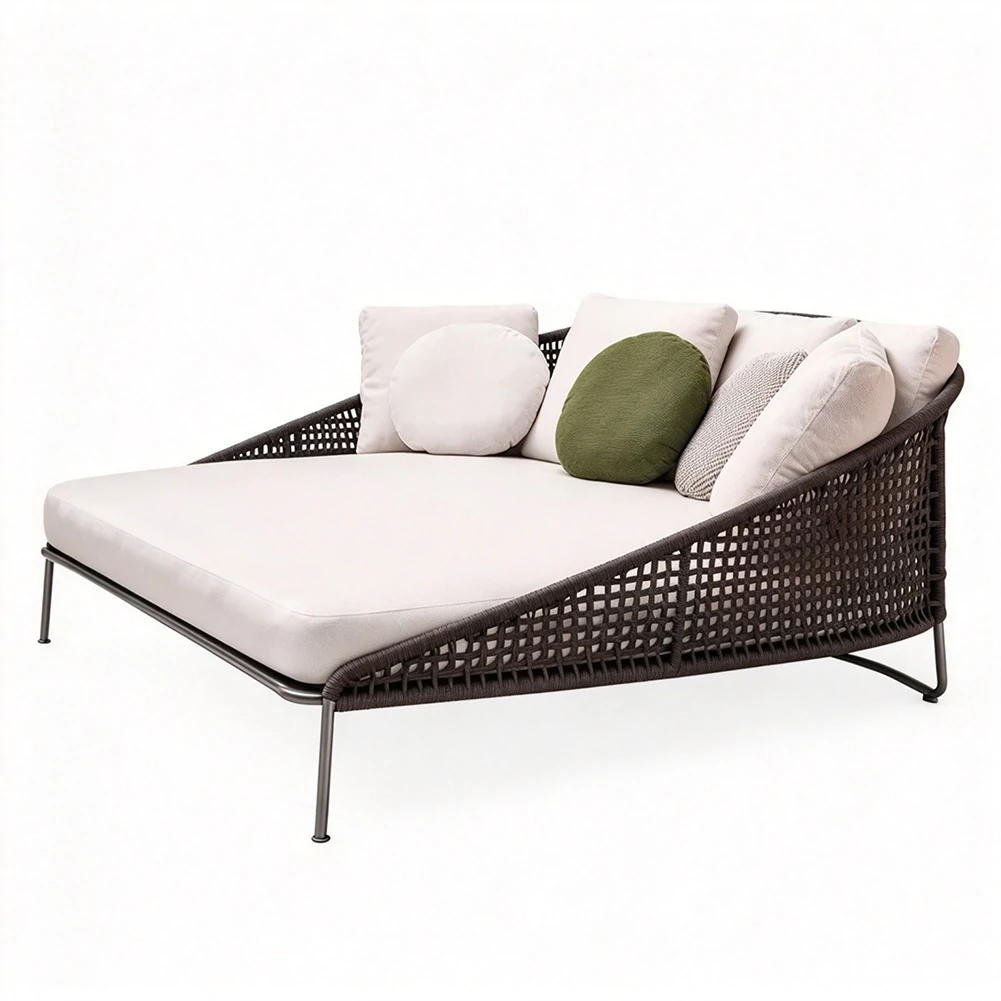
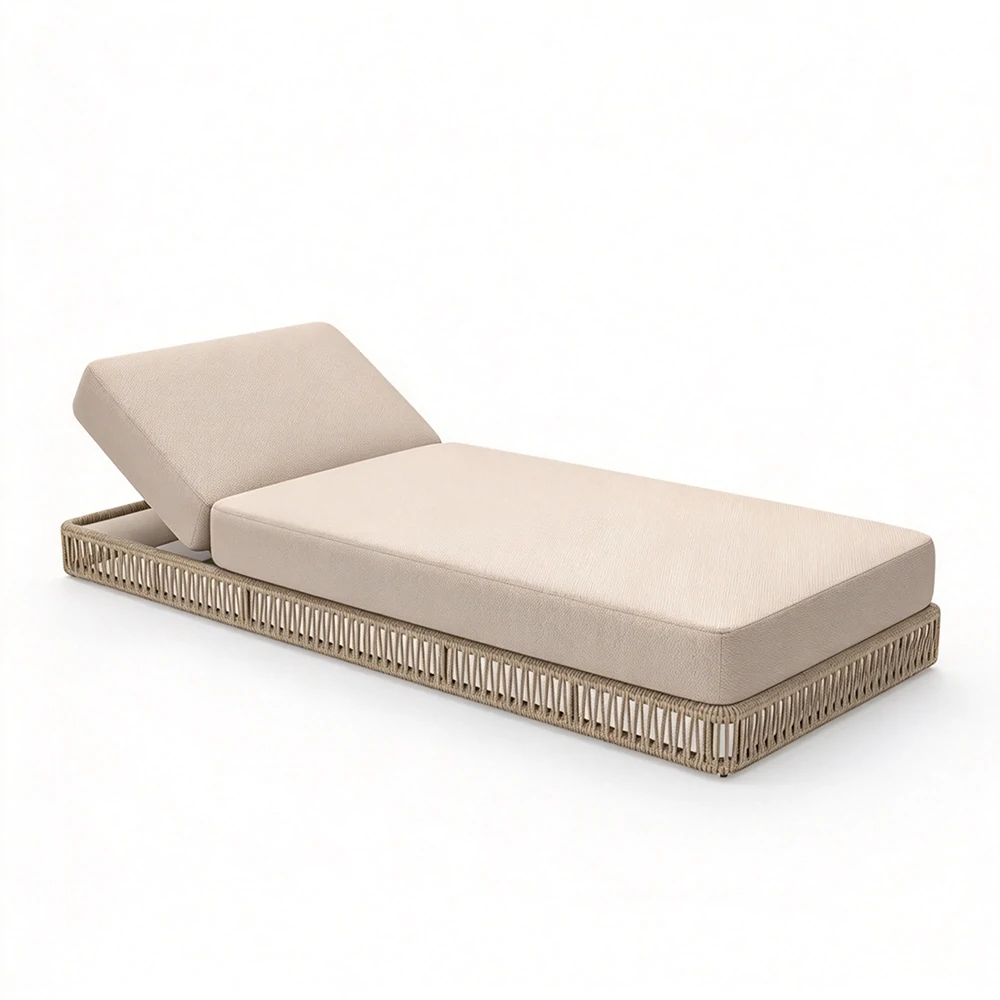
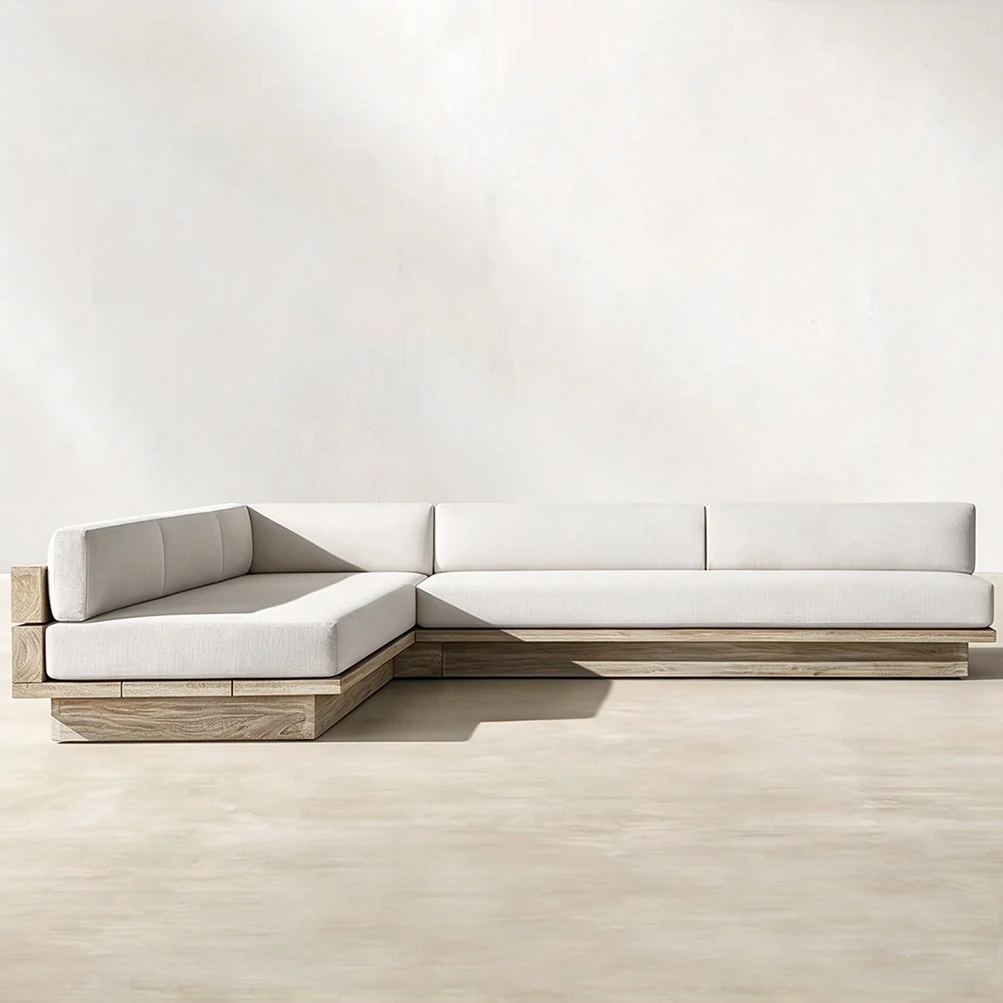
A sofa is often one of the largest visual elements in a living space, so choosing one that fits the room’s interior style requires more than selecting a preferred color or shape. Its silhouette, proportions, materials, texture, and color should work with the furniture and architectural elements already in the room.
The goal is not to make the sofa identical to everything else. Instead, choose a sofa whose key visual characteristics are compatible with the room.
What Should You Match When Choosing a Sofa?
Before choosing a sofa for a specific interior style, look at five elements: silhouette, proportion, material, texture, and color.
Start With the Sofa’s Silhouette
Consider whether the room is dominated by straight or curved forms. A streamlined sofa with clean lines generally fits a contemporary setting, while softer curves or more developed detailing may work better in a traditional interior.
The arms, back, base, and overall profile all contribute to the sofa’s visual character.
Consider Proportion and Scale
A sofa can have the right style but still look wrong if its proportions do not suit the room.
تأمل ما يلي:
- Sofa width relative to the room
- Back and arm height
- Base and leg height
- Visual weight
- Available space around the sofa
A large, heavy sofa can overwhelm a compact room, while an overly light sofa may look disconnected in a large living area.
Match Materials and Textures
Material can reinforce an interior style. Leather can introduce a stronger, more structured character, while natural-looking fabrics can create a softer and more relaxed appearance.
Do not treat materials as strict style rules. Instead, consider how the sofa’s texture relates to the flooring, tables, rugs, curtains, and other furniture.
Choose a Color That Works With the Existing Palette
The sofa does not need to exactly match the walls or other furniture. Instead, consider the room’s overall color palette, including:
- Walls
- Flooring
- Rugs
- Curtains
- Accent furniture
- Decorative elements
A neutral sofa can provide a flexible foundation, while a stronger color can make the sofa a focal point.
How to Match a Sofa With Different Interior Styles
Modern and Contemporary Interiors
Modern and contemporary rooms typically benefit from clean lines, controlled proportions, and limited decorative detailing.
Look for sofas with:
- Streamlined silhouettes
- Straight or gently curved forms
- Clean arms and bases
- Controlled neutral colors
- Minimal ornamentation
The sofa should look intentional and refined without introducing unnecessary visual complexity.
Minimalist Interiors
Minimalist interiors rely on visual simplicity and controlled use of furniture. The sofa should support this rather than become an overly dominant element.
Choose a sofa with:
- Simple geometry
- A visually clean profile
- Neutral or muted colors
- Limited decorative details
- Proportions appropriate to the available space
Minimalist does not necessarily mean choosing a small sofa. The important consideration is its visual weight and how well it fits into the surrounding space.
Scandinavian Interiors
Scandinavian interiors generally emphasize lightness, simplicity, natural materials, and soft neutral tones.
A suitable sofa may feature:
- Light or neutral upholstery
- Simple proportions
- A relatively light visual profile
- Natural-looking textures
- Simple wood or understated structural details
Rather than choosing an elaborate sofa, prioritize a design that keeps the room feeling open and visually balanced.
Industrial Interiors
Industrial interiors often combine stronger materials and more substantial forms, such as metal, wood, concrete, and darker finishes.
A suitable sofa can use:
- Leather or textured upholstery
- Darker neutrals or earthy colors
- Stronger structural forms
- Metal or wood details
- Straightforward detailing
The sofa does not need to replicate every industrial element in the room. Connecting with one or two existing materials can be enough to make the furniture feel integrated.
Traditional and Classic Interiors
Traditional interiors generally have more developed detailing, formal proportions, and stronger references to classic furniture design.
Consider sofas with:
- Curved or more substantial arms
- Structured proportions
- Richer upholstery
- Classic detailing
- Fabric or leather with a more developed visual character
A traditional room does not require every piece to look identical. A simpler sofa can still work if its proportions, material, and detailing complement the surrounding furniture.
Should Your Sofa Match or Contrast With Your Interior?
Your sofa does not have to perfectly match the rest of the room. In many interiors, some contrast makes the space more interesting.
The key is to maintain connections between the sofa and the surrounding elements.
For example, you can use:
- A bold sofa color in an otherwise neutral room
- A modern sofa with traditional accessories
- A curved sofa in a room dominated by architectural straight lines
One practical approach is to repeat two or three visual elements across the room, such as color, material, shape, or texture. This creates cohesion without requiring every piece to come from the same furniture collection.
Coordinate first; match exactly only when the design requires it.
How to Choose the Sofa Color for Your Interior
Start by identifying the dominant colors already present in the room. Look at the walls, flooring, rug, curtains, and large furniture before selecting the sofa.
Also consider warm and cool undertones. Two colors may both appear neutral but still create an awkward combination if their undertones differ.
For long-term flexibility, neutral shades such as beige, cream, taupe, gray, and muted earth tones can work as a foundation. If the room needs a stronger focal point, a deeper or more saturated sofa color can provide contrast.
The important point is to consider the sofa as part of the entire color composition, rather than choosing its color independently.
A Simple Framework for Matching a Sofa to Your Interior
When you are unsure which sofa will work, follow this sequence:
1. Identify the dominant interior style.
Determine whether the room is primarily modern, minimalist, Scandinavian, industrial, traditional, or a combination.
2. Identify the room’s visual language.
Look at straight or curved forms, heavy or light furniture, warm or cool colors, and minimal or decorative details.
3. Choose the sofa silhouette.
Match the overall shape before focusing on smaller design details.
4. Select material and texture.
Use upholstery and structural materials that complement the room’s existing character.
5. Choose the color.
Coordinate with the overall palette rather than matching one individual element.
6. Check the complete composition.
Evaluate the sofa together with the rug, coffee table, chairs, lighting, curtains, and flooring.
A useful decision sequence is:
Style → Shape → Proportion → Material → Color → Overall balance
How Chicasa Can Help Create a Cohesive Furniture Scheme
For larger residential or commercial interiors, matching one sofa is only part of the furniture planning process. Sofas, lounge chairs, coffee tables, dining furniture, and other pieces may all need to work together within the same space.
A whole-space furniture solution can help coordinate these elements according to the function and visual language of each area rather than treating every product as an isolated purchase.
Chicasa supports projects with MOQ 1, DDP delivery, door-to-door delivery with on-site installation, and projects outside China. This allows different furniture pieces to be considered as part of a coordinated space rather than separate sourcing decisions.

الخلاصة
Matching a sofa with your interior style is not about finding a piece that looks identical to everything else in the room.
Start with the room’s style, proportions, shapes, materials, textures, and color palette, then choose a sofa that reinforces those characteristics.
A well-matched sofa does not have to look exactly like the room. It needs to look like it belongs there.