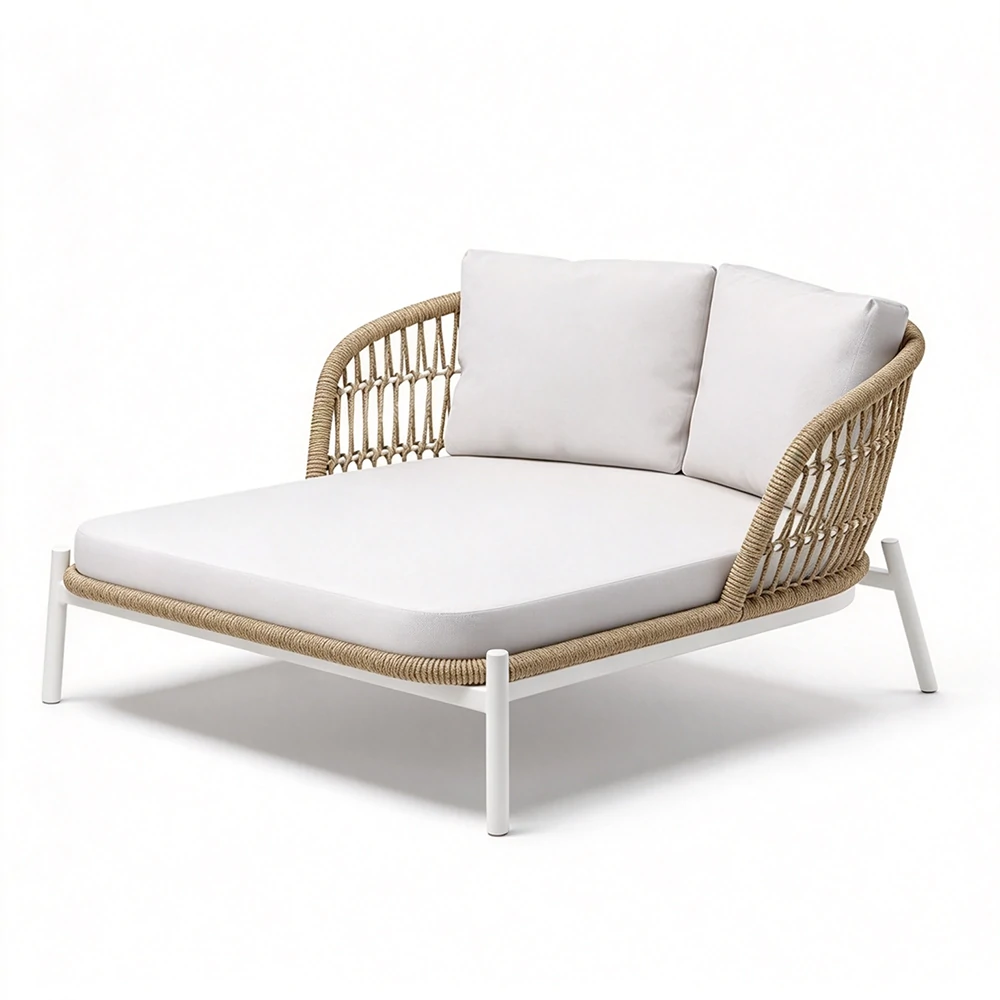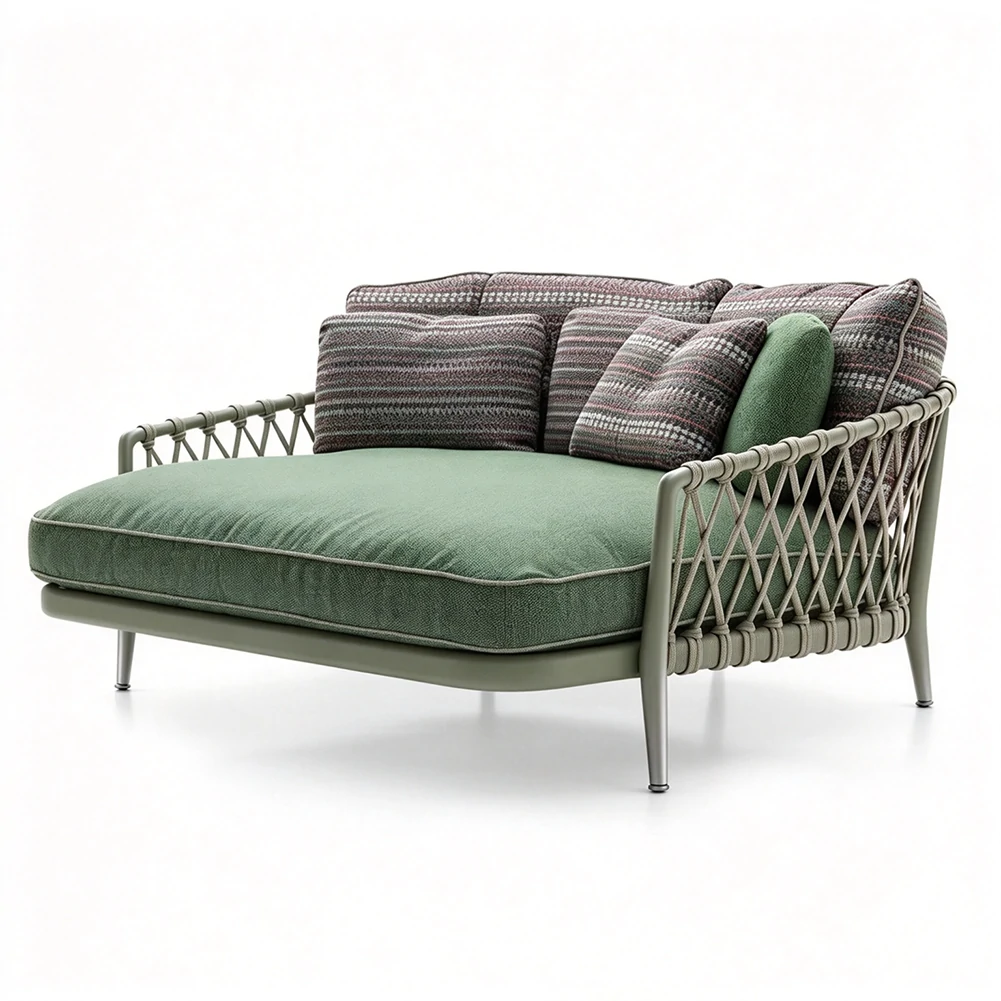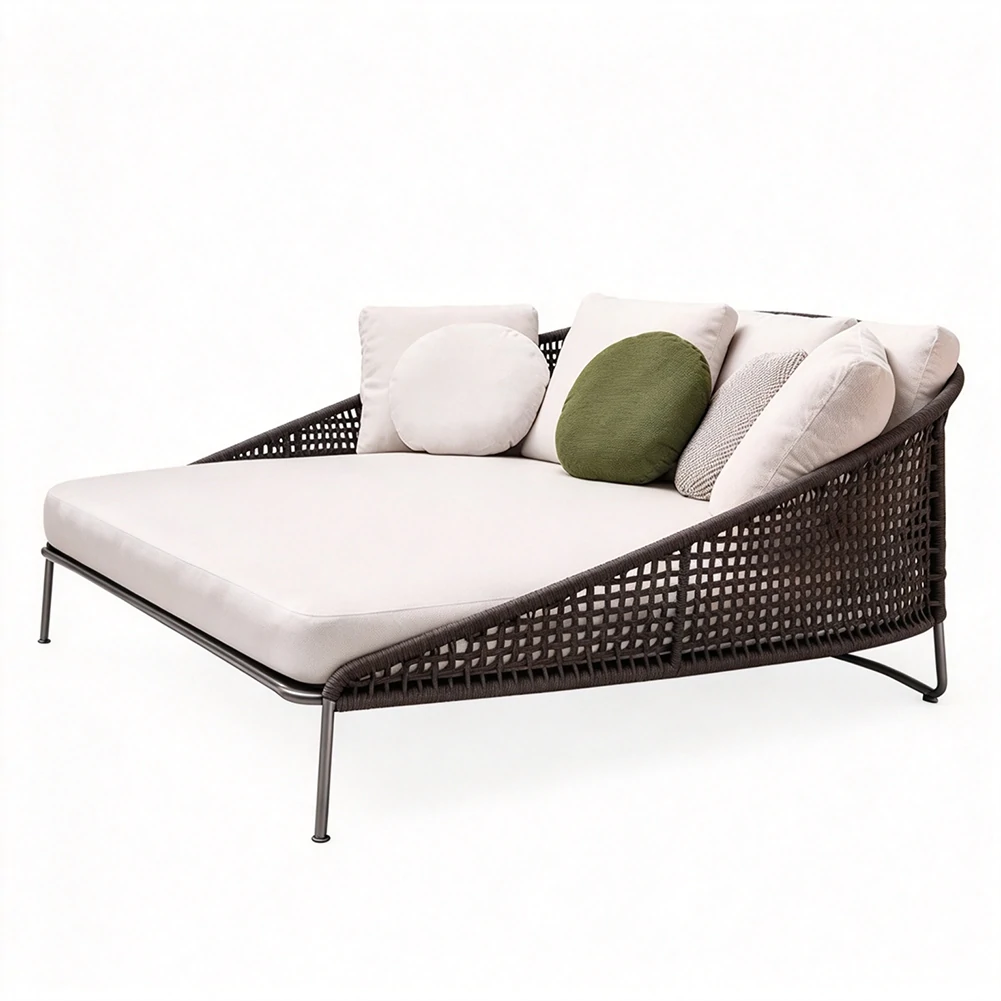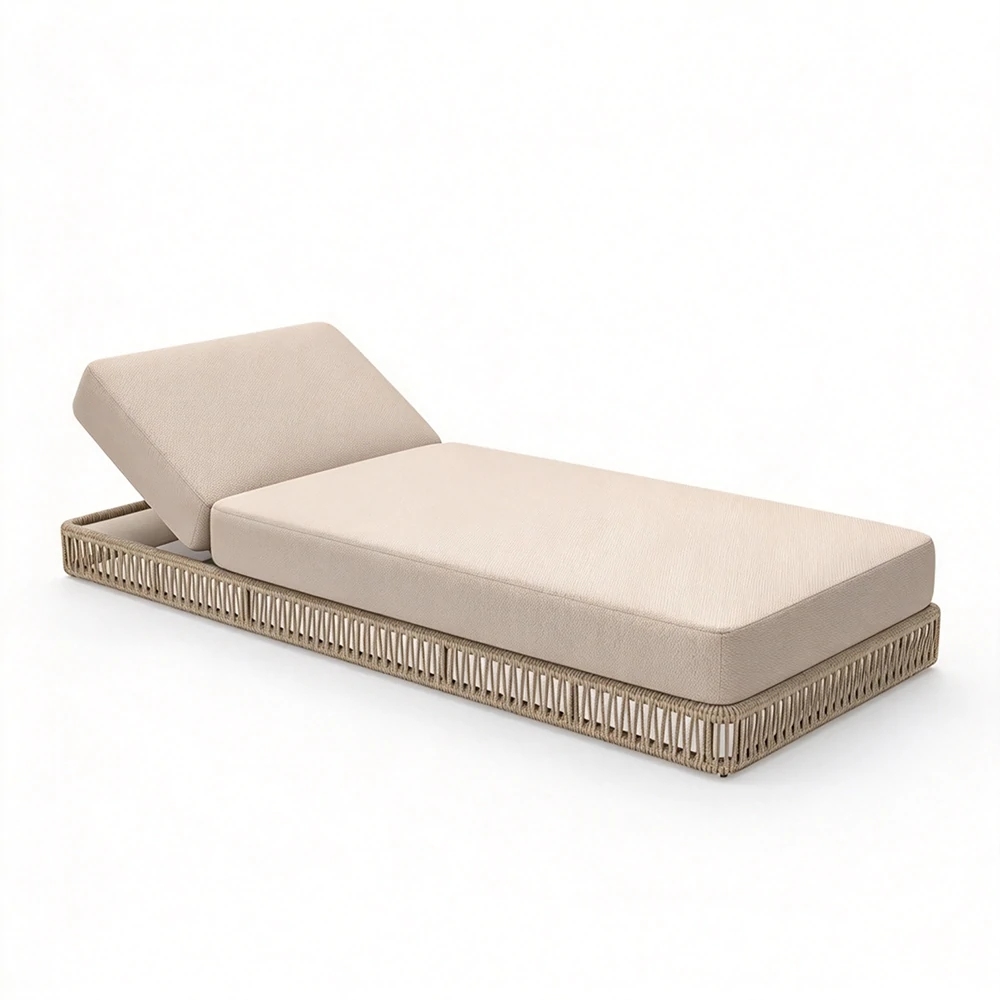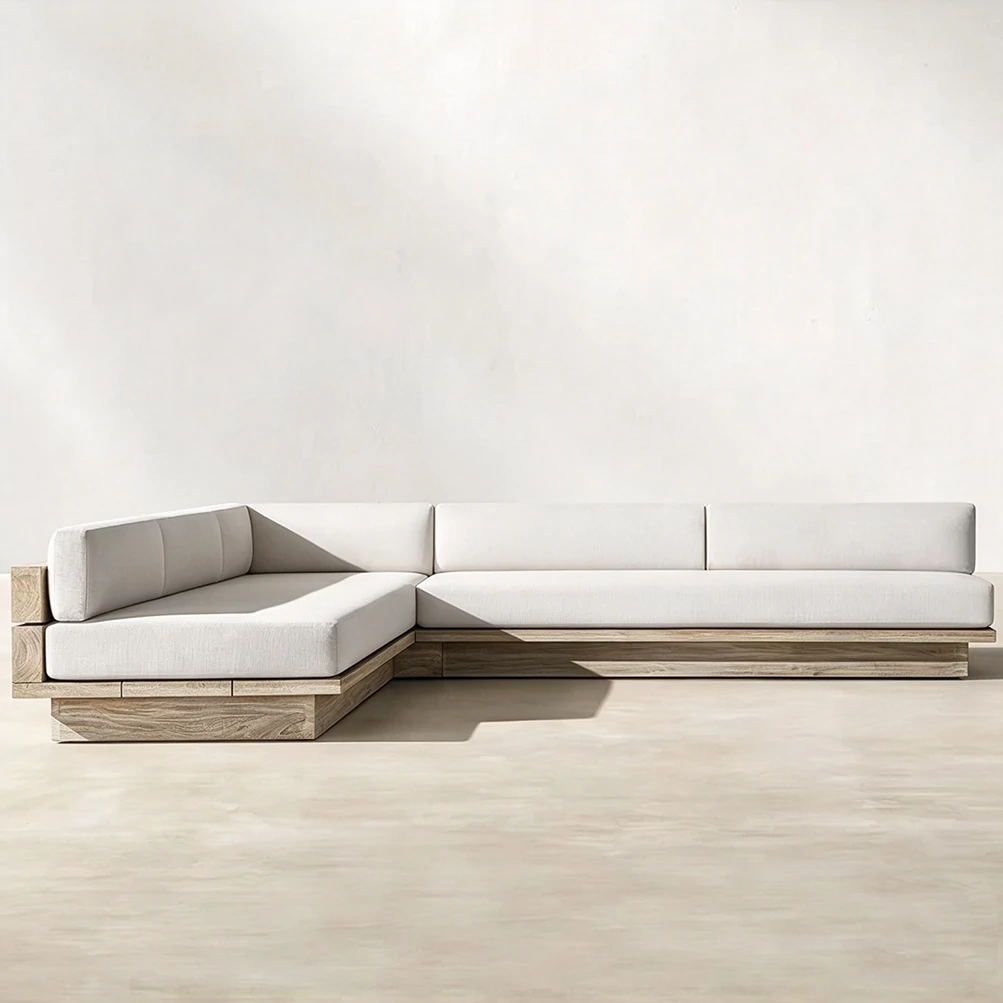








أثاث المنزل بالكامل تتضمن المشاريع غرفًا متعددة وتصميمات مخصصة وتنسيقًا معقدًا. وبالنسبة للعلامات التجارية والمصممين والمطورين ومشتري المشاريع، فإن الأخطاء البسيطة في التخطيط أو اختيار الموردين قد تؤدي سريعًا إلى ارتفاع التكاليف وتأخير تنفيذ المشاريع.
من اختيار المواد إلى إدارة الموردين، يؤثر كل قرار على النتيجة النهائية. فهم الأخطاء الشائعة في أثاث المنزل بالكامل يمكن أن تساعد المشاريع المشترين على التحكم في التكاليف، والحفاظ على اتساق التصميم، وضمان سير عملية التسليم بشكل أكثر سلاسة.
فهم التحديات الكامنة وراء مشاريع تأثيث المنزل بالكامل
على عكس شراء قطع الأثاث الفردية، تتطلب مشاريع تأثيث المنزل بالكامل تنسيقًا بين مراحل التصميم والتصنيع والتركيب. فكل عنصر، بدءًا من أرائك غرفة المعيشة وصولاً إلى أثاث غرف النوم وحلول التخزين، يجب أن يتكامل مع العناصر الأخرى لخلق أسلوب داخلي متناسق.
بالنسبة للمشترين المحترفين، عادةً ما يعتمد نجاح المشاريع على عدة عوامل رئيسية:
- اتساق التصميم: يجب أن تتناسب أنماط الأثاث وألوانه ومواده مع المفهوم العام للتصميم الداخلي.
- التخطيط الدقيق: يجب التأكد من قياسات المساحة والمتطلبات الوظيفية قبل البدء في الإنتاج.
- اختيار المواد: تؤثر المواد المختلفة على المتانة والمظهر ومتطلبات الصيانة.
- إدارة الإنتاج: تضمن عمليات التصنيع الموثوقة جودة ثابتة ومواعيد تسليم محددة.
بدون التخطيط السليم، قد لا يفي حتى الأثاث عالي الجودة بتوقعات المشروع.

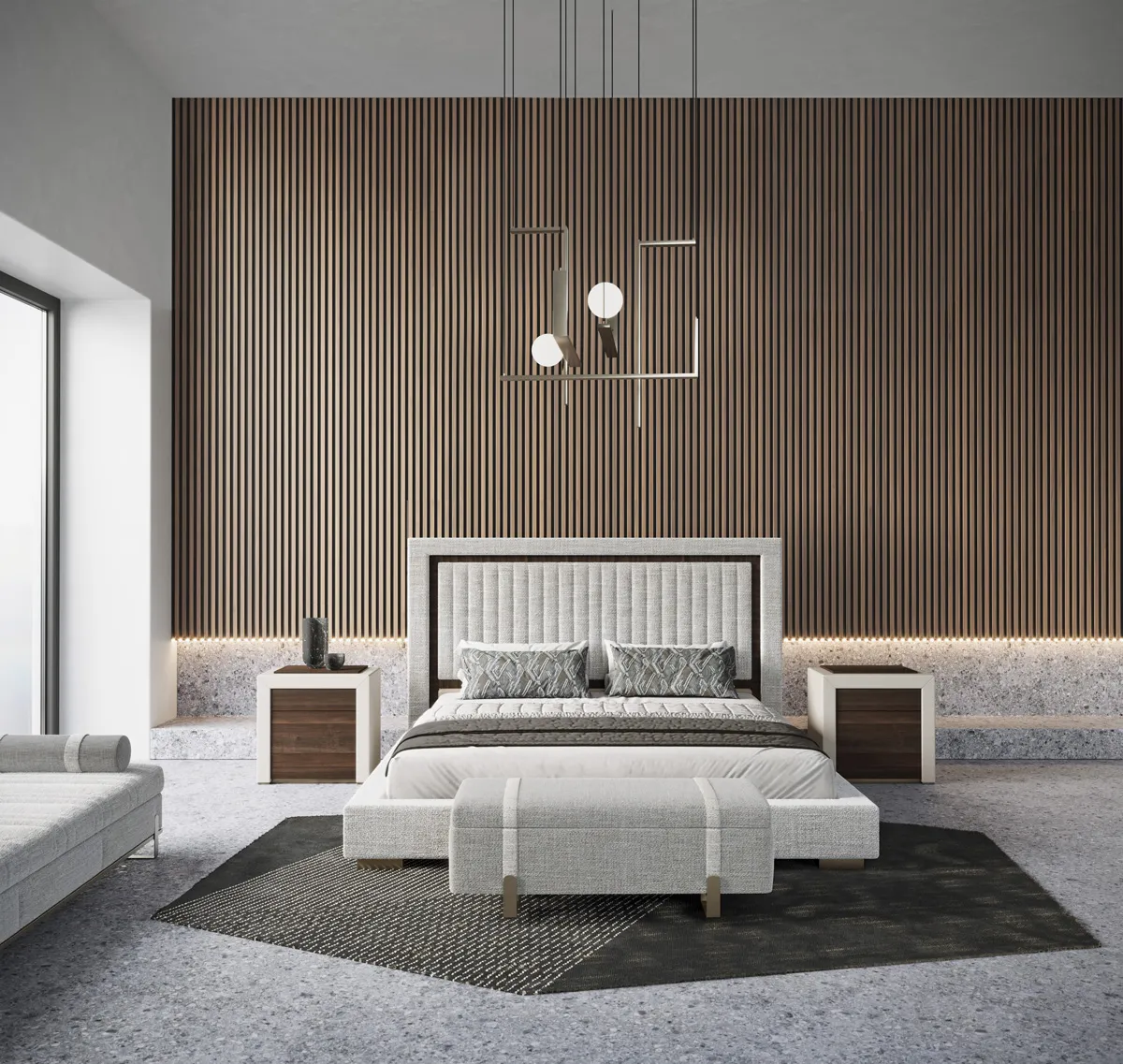

الأخطاء التي من شأنها أن تؤثر على كفاءة مشاريع تأثيث المنزل بأكمله
البدء دون خطة كاملة للأثاث
من أكثر الأخطاء شيوعًا في مشاريع تأثيث المنزل بالكامل البدء في الإنتاج قبل الانتهاء من خطة التصميم الشاملة.
في غياب متطلبات واضحة، قد يواجه المشترون مشاكل مثل تباين الأنماط، وأحجام الأثاث غير الملائمة، وتكاليف التعديل الإضافية.
قبل بدء الإنتاج، يجب على المشترين التأكد مما يلي:
- اتجاه التصميم الداخلي؛;
- وظائف الغرف وتصميماتها؛;
- أبعاد الأثاث؛;
- متطلبات التخزين؛;
- تفضيلات المواد والألوان.
تساعد الخطة الشاملة الشركات المصنعة على تقديم حلول أكثر دقة وتقلل من التغييرات غير الضرورية أثناء الإنتاج.
تجاهل القياسات الدقيقة وتخطيط المساحات
قد لا يتناسب الأثاث الذي يبدو جذابًا في صالة العرض دائمًا مع المساحة الفعلية للمشروع. فقد تؤدي القياسات غير الصحيحة إلى صعوبات في التركيب وتؤثر على المظهر النهائي للديكور الداخلي.
ينبغي على المشترين المحترفين مراعاة ما يلي:
- أبعاد الغرفة؛;
- مواقع الأبواب والنوافذ؛;
- ترتيبات الكهرباء والإضاءة؛;
- شروط التركيب.
يتيح التخطيط الدقيق للمساحات للمصنعين تصميم أثاث يتناسب بشكل مناسب مع كل بيئة، لا سيما في المشاريع المخصصة.
القرارات المتعلقة بالمواد والتصميم التي تقلل من أداء الأثاث
اختيار المواد بناءً على السعر فقط
تعد التكلفة عاملاً مهمًا، لكن اختيار مواد الأثاث بناءً على السعر الأقل فقط قد يؤثر على أدائها على المدى الطويل.
بالنسبة لمشاريع الأثاث التي تشمل المنزل بأكمله، ينبغي على المشترين تقييم ما يلي:
- متانة المواد؛;
- جودة السطح؛;
- متطلبات الصيانة؛;
- العمر التشغيلي المتوقع.
إن تحقيق توازن أفضل بين التكلفة والجودة يساعد على خفض نفقات الاستبدال ويحسن رضا العملاء.
التركيز على المظهر فقط دون مراعاة الجانب العملي
إن نجاح أي مشروع للأثاث لا يقتصر على التصميم الجذاب فحسب، بل يجب أن يوفر الأثاث أيضًا الراحة والعملية وسهولة الاستخدام اليومي.
تشمل الاعتبارات الشائعة ما يلي:
- هياكل مريحة؛;
- التخزين الوظيفي؛;
- سهولة الصيانة؛;
- هيكل متين.
فيما يتعلق بالمشاريع السكنية والضيافة، يؤدي الجمع بين الجمال والوظيفة إلى توفير تجارب أفضل للمستخدمين.

أخطاء اختيار الموردين في مشاريع تأثيث المنازل بالكامل
اختيار المورد بناءً على السعر أو صور المنتج فقط
قد يؤدي اختيار المورد بناءً على السعر أو مظهر المنتج فقط إلى ظهور مشاكل أثناء تنفيذ مشاريع الأثاث واسعة النطاق. وينبغي على المشترين أيضًا مراعاة قدرات المورد الإنتاجية، ومعايير الجودة، وخبرته في تنفيذ المشاريع.
يجب أن يكون المورد الموثوق قادراً على تلبية المتطلبات المخصصة والطلبات ذات الكميات الكبيرة على حد سواء، مع الحفاظ على جودة وتسليم ثابتين.
الإغفال في مجال التخصيص ودعم المشاريع
تتطلب العديد من مشاريع الأثاث المنزلي حلولاً مخصصة بدلاً من المنتجات القياسية.
ينبغي على المشترين النظر فيما إذا كان الموردون قادرين على توفير ما يلي:
- الأبعاد المخصصة؛;
- خيارات المواد والألوان؛;
- خدمات تصنيع المعدات الأصلية (OEM) / تصميم وتصنيع المنتجات (ODM)؛;
- المساعدة في التصميم؛;
- الدعم في مجال التغليف والخدمات اللوجستية.
تتيح قدرات التخصيص القوية لمجموعات الأثاث التوافق بشكل أفضل مع الأسواق المختلفة ومتطلبات المشاريع.
قائمة مراجعة لمشروع تأثيث المنزل بالكامل: الأخطاء التي يجب تجنبها
| الأخطاء الشائعة | أفضل الممارسات |
|---|---|
| بدء الإنتاج دون خطة كاملة | التأكد من مفاهيم التصميم والتخطيطات ومتطلبات المنتج قبل البدء في التصنيع |
| اختيار المواد بناءً على السعر فقط | تحقيق التوازن بين التكلفة والمتانة والمظهر والأداء على المدى الطويل |
| تجاهل متطلبات التخصيص | التعاون مع الموردين الذين يقدمون حلولًا مرنة في مجال تصنيع المعدات الأصلية (OEM) وتصنيع التصميم الأصلي (ODM) |
| التركيز على المظهر التصميمي فقط | ضع في اعتبارك الراحة والوظائف وسهولة الاستخدام اليومي |
| اختيار الموردين الذين لا يمتلكون خبرة في تنفيذ المشاريع | اختر الشركات المصنعة التي تتمتع بقدرات إنتاجية وخبرة في تقديم الخدمات على الصعيد العالمي |
تساعد قائمة المراجعة هذه المشترين على تقليل المخاطر وتحسين الكفاءة طوال عملية مشروع تأثيث المنزل بأكمله.
إنشاء سير عمل أكثر كفاءة لمشروع الأثاث المنزلي الشامل
يتطلب أي مشروع ناجح تواصلًا فعالاً بين المشترين والمصممين والمصنعين.
التأكد من المتطلبات قبل بدء الإنتاج
قبل بدء التصنيع، يجب على المشترين تقديم معلومات واضحة بشأن:
- نمط المشروع؛;
- مواصفات المنتج؛;
- توقعات الميزانية؛;
- شروط التسليم.
يساعد التواصل الواضح الشركات المصنعة على تطوير حلول مناسبة وتجنب إجراء تعديلات على عملية الإنتاج.
الحفاظ على التواصل طوال فترة المشروع
يساعد التواصل المنتظم بين المصممين والمصنعين على حل المشكلات المحتملة في مرحلة مبكرة.
ومن بين الخطوات المهمة ما يلي:
- تأكيد العينة؛;
- تعديلات التصميم؛;
- آخر مستجدات الإنتاج؛;
- عمليات فحص الجودة.
يساهم سير العمل المنظم في تحسين كفاءة المشروع وموثوقية التنفيذ.
العوامل الرئيسية التي يجب أخذها في الاعتبار عند اختيار مصنع أثاث للمنزل بأكمله
القدرة الإنتاجية وقوة المصنع
فيما يتعلق بمشاريع الأثاث الكبيرة، تُعد القدرة الإنتاجية عاملاً أساسياً. لذا، ينبغي على المشترين اختيار الشركات المصنعة التي تمتلك مرافق كافية وعمالاً ماهرين وأنظمة إنتاج مستقرة.
يمكن لمصنع محترف أن يوفر ما يلي:
- الطلبات ذات الحجم الكبير؛;
- جودة منتجات ثابتة؛;
- متطلبات إنتاج مرنة؛;
- جداول تسليم موثوقة.
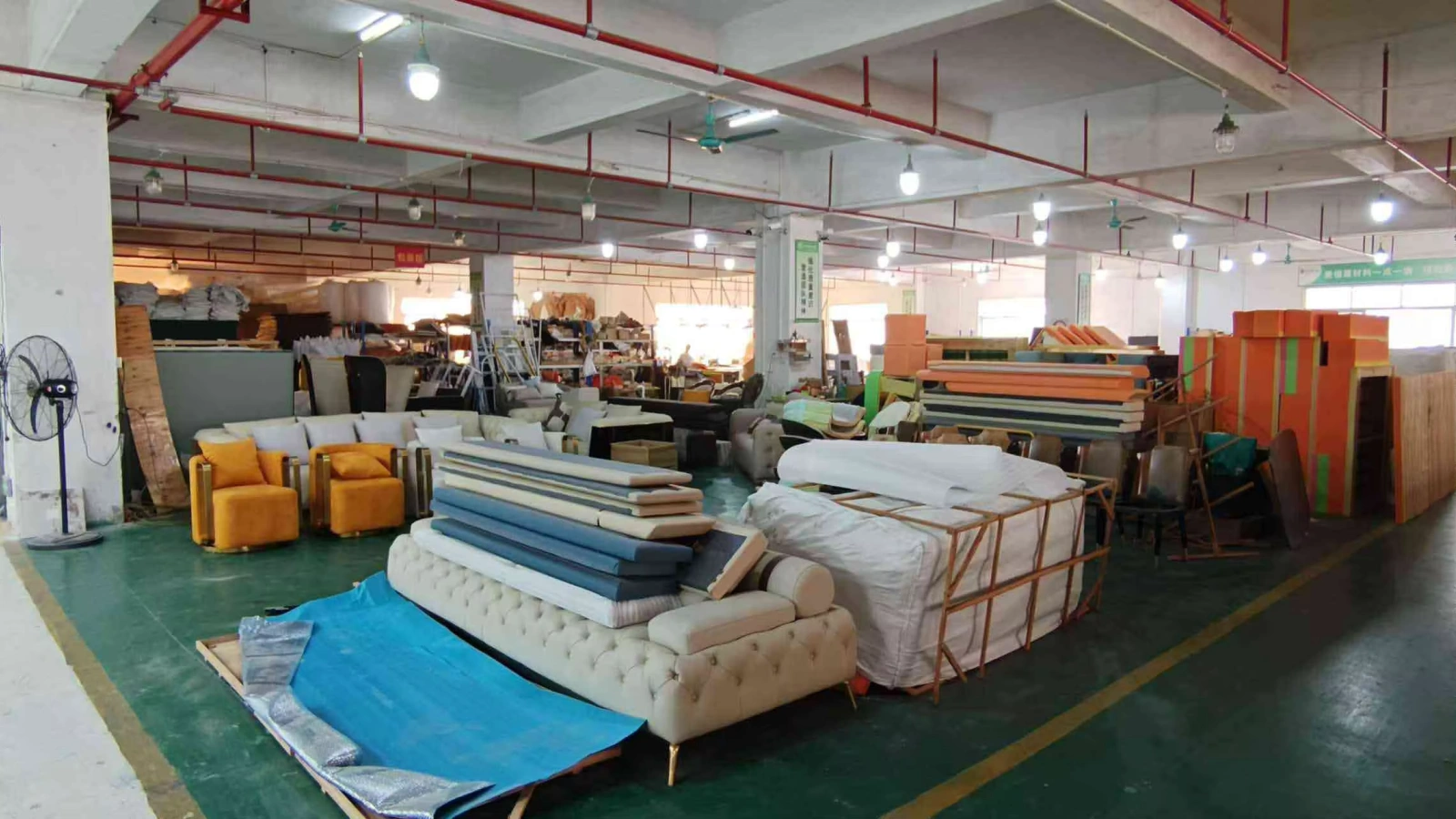
مراقبة الجودة ومعايير التصنيع
تلعب إدارة الجودة دورًا مهمًا في إنتاج الأثاث.
ينبغي أن يكون لدى الشركات المصنعة الموثوقة إجراءات فحص واضحة تشمل ما يلي:
- المواد الخام؛;
- مراحل الإنتاج؛;
- المنتجات النهائية؛;
- اختبار الأداء.
تساعد الرقابة الصارمة على الجودة في ضمان تلبية كل قطعة أثاث لتوقعات المشروع.
حلول الأثاث المخصص والخبرة في المشاريع العالمية
يمكن للمصنعين ذوي الخبرة تقديم ما هو أكثر من مجرد خدمات الإنتاج. فهم قادرون على دعم تطوير المنتجات، والتخصيص، والتعبئة والتغليف، والتسليم الدولي.
بالنسبة للمشترين العالميين، فإن التعامل مع مورد ذي خبرة يساعد على تبسيط إدارة المشاريع وتحسين كفاءة سلسلة التوريد.
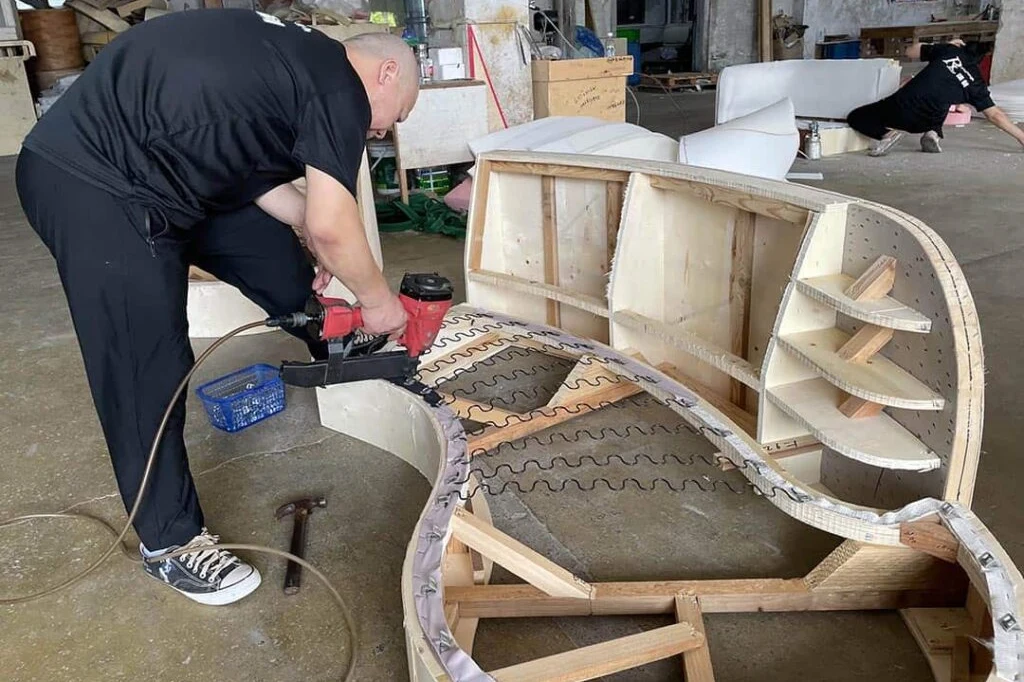
لماذا تختار «تشيكاسا» لمشاريع تأثيث المنزل بالكامل؟
بالنسبة لمشاريع الأثاث واسعة النطاق، يحتاج المشترون إلى إنتاج موثوق به وجودة ثابتة وتسليم فعال. وتلبي شركة Chicasa هذه الاحتياجات من خلال:
- أكثر من 20 عامًا من الخبرة في مجال التصنيع: تأسست شركة «تشيكاسا» في عام 2005، وهي متخصصة في الأثاث المنزلي الفاخر المخصص للأسواق العالمية.
- القدرة الإنتاجية المتكاملة: مصنع تبلغ مساحته أكثر من 10,000 متر مربع، وأكثر من 100 عامل ماهر، وخطوط إنتاج متطورة تعمل بتقنية التحكم الرقمي (CNC) وخطوط إنتاج المفروشات، كل ذلك يدعم تنفيذ المشاريع ذات الحجم الكبير.
- رقابة صارمة على الجودة: تتألف عملية الفحص من أربع خطوات تشمل المواد الخام، ومرحلة الإنتاج، والمنتجات النهائية، واختبار الأداء.
- تنفيذ المشاريع بشكل مستقر: تساعد الخبرة في مجال توريد المواد، وتغليف الصادرات، ودعم الامتثال للمعايير، والخدمات اللوجستية الداخلية على تبسيط تنفيذ المشاريع.
- التخصيص وفقًا لمعايير OEM/ODM: تتيح الحلول المرنة إمكانية توفير تصاميم ومواد وتشطيبات ومجموعات أثاث مخصصة لتلبية متطلبات المشاريع المختلفة.
هل تبحث عن شركة موثوقة أثاث المنزل بالكامل الشركة المصنعة؟ للتواصل مع شيكاسا لمناقشة مشروعك واحتياجاتك في مجال التخصيص.

الخلاصة
ناجح أثاث المنزل بالكامل تتطلب المشاريع تخطيطًا دقيقًا، ومواد مناسبة، وتصنيعًا موثوقًا به، وتواصلًا فعالًا. ومن خلال تجنب الأخطاء الشائعة واختيار مصنع أثاث ذي خبرة، يمكن للمشترين تقليل مخاطر المشروع وتحقيق نتائج أفضل.
بالنسبة للعلامات التجارية وتجار الجملة ومطوري المشاريع الذين يبحثون عن حلول أثاث مخصصة عالية الجودة،, شيكاسا تقدم خبرة تصنيعية احترافية ودعمًا مرنًا للمشاريع للمساعدة في تحويل تصورات الأثاث إلى واقع ملموس.