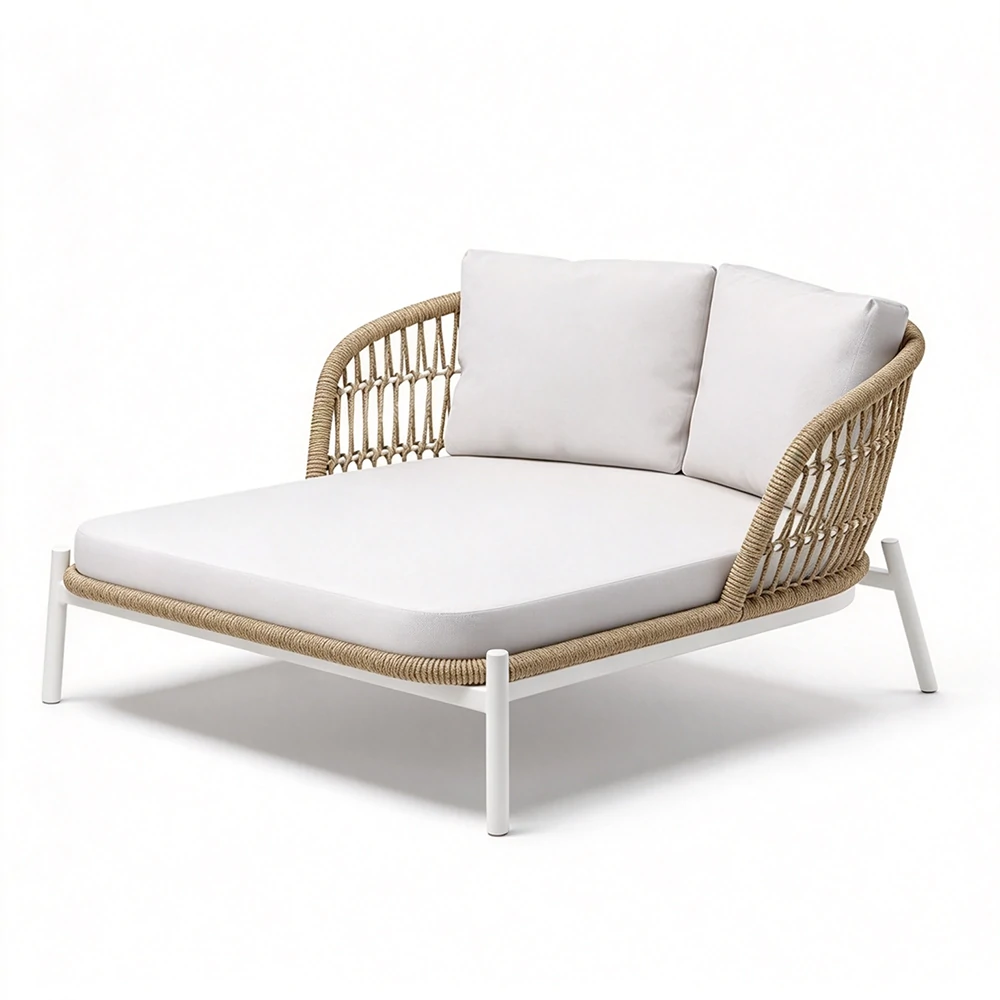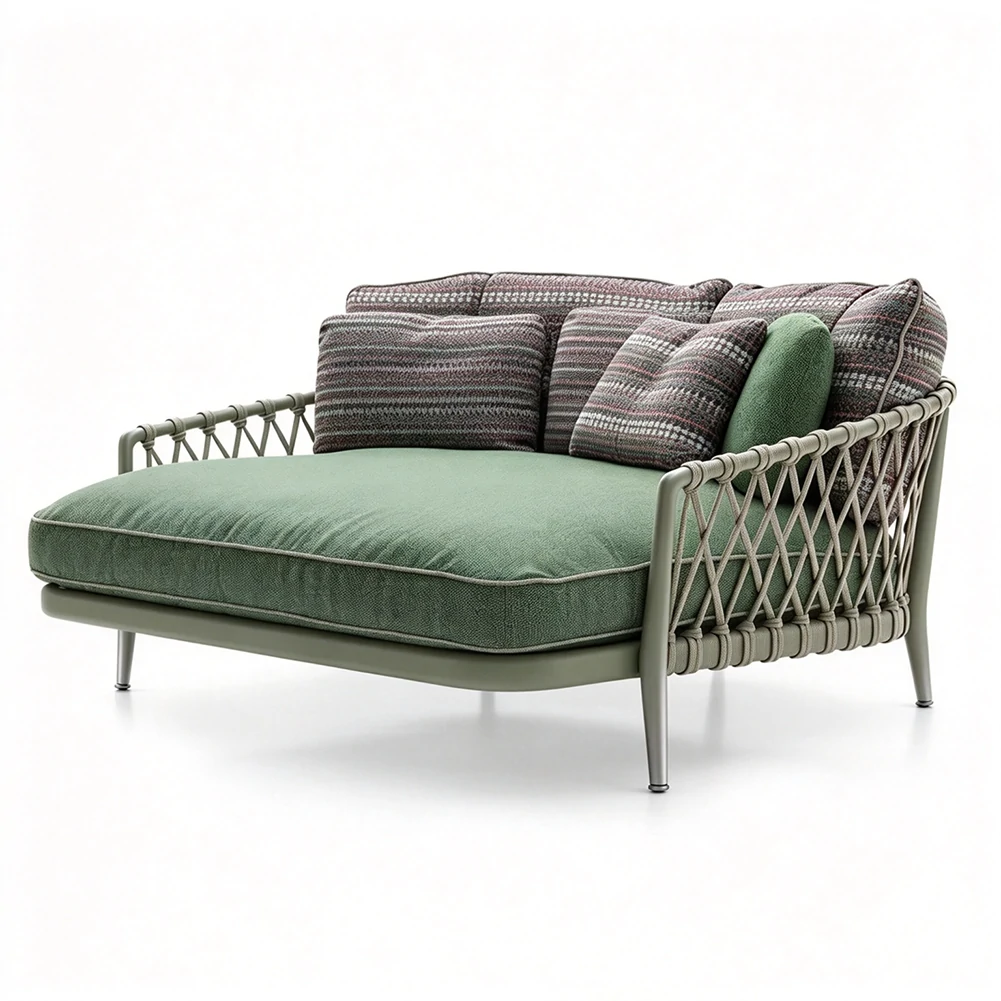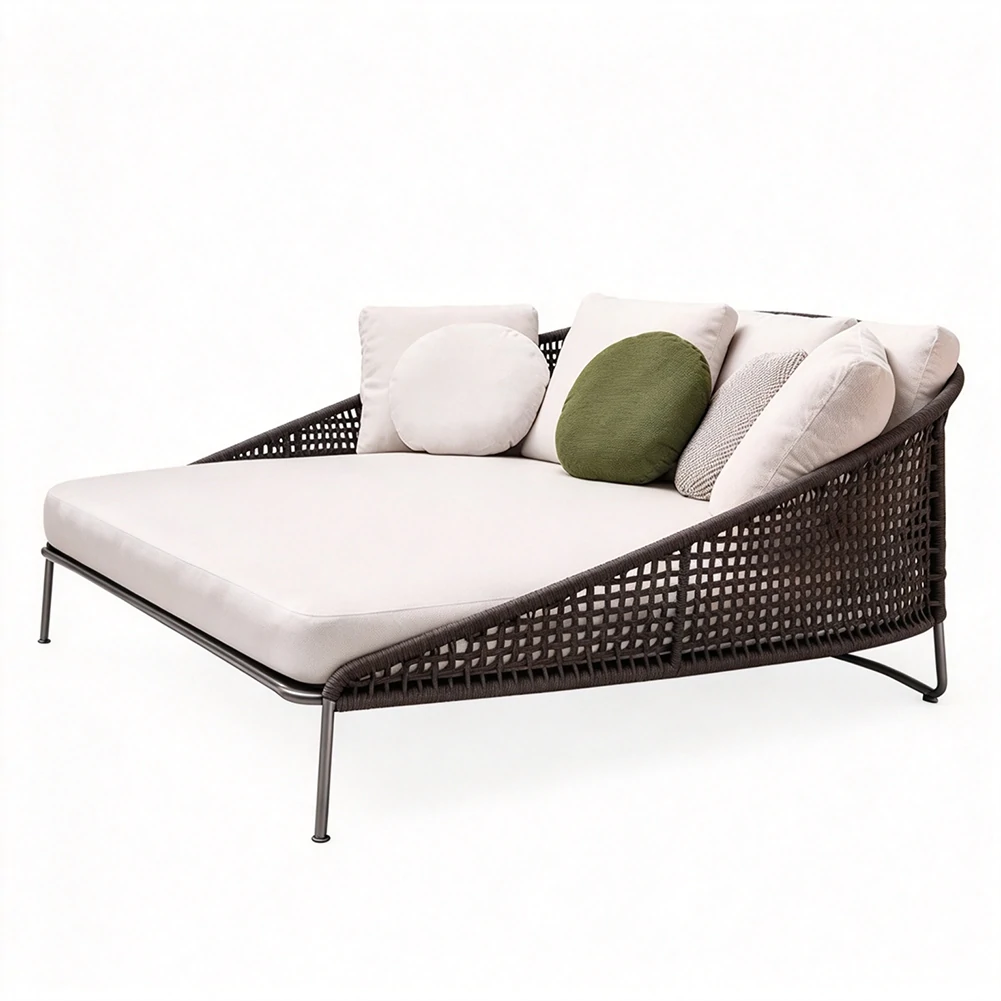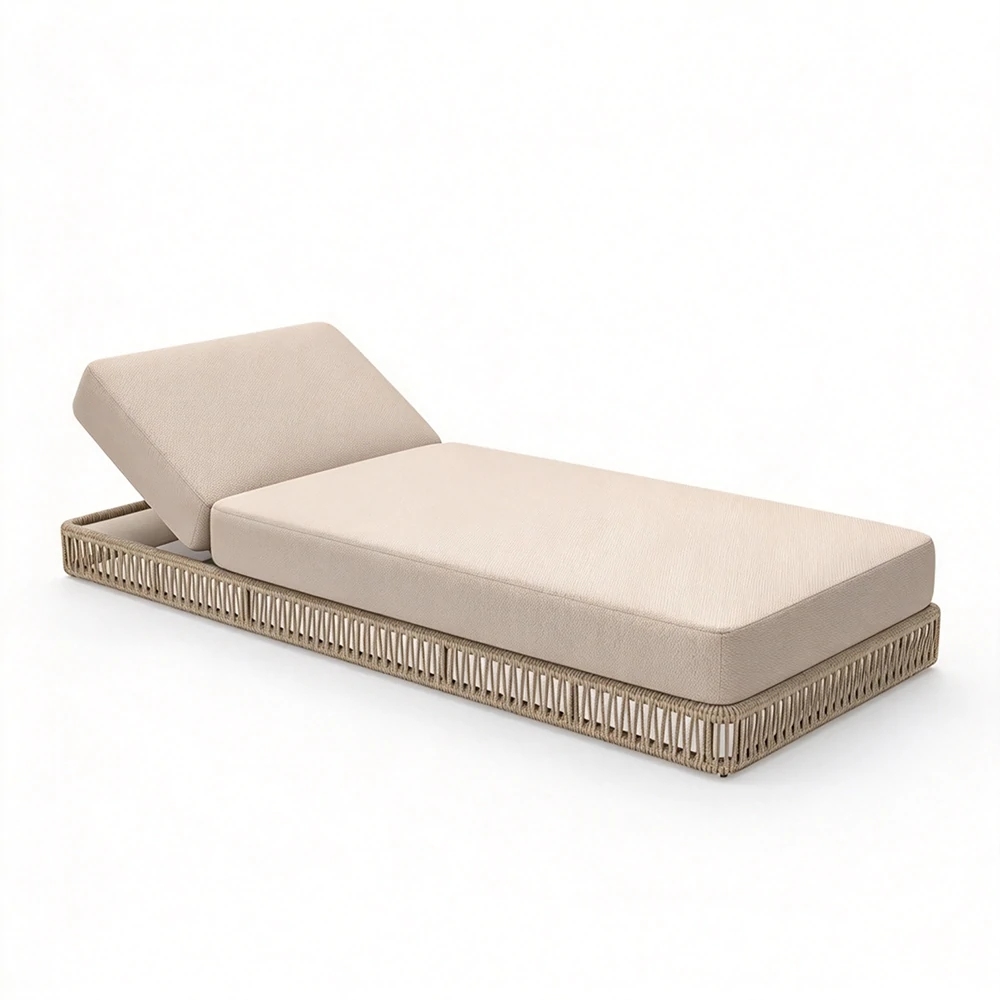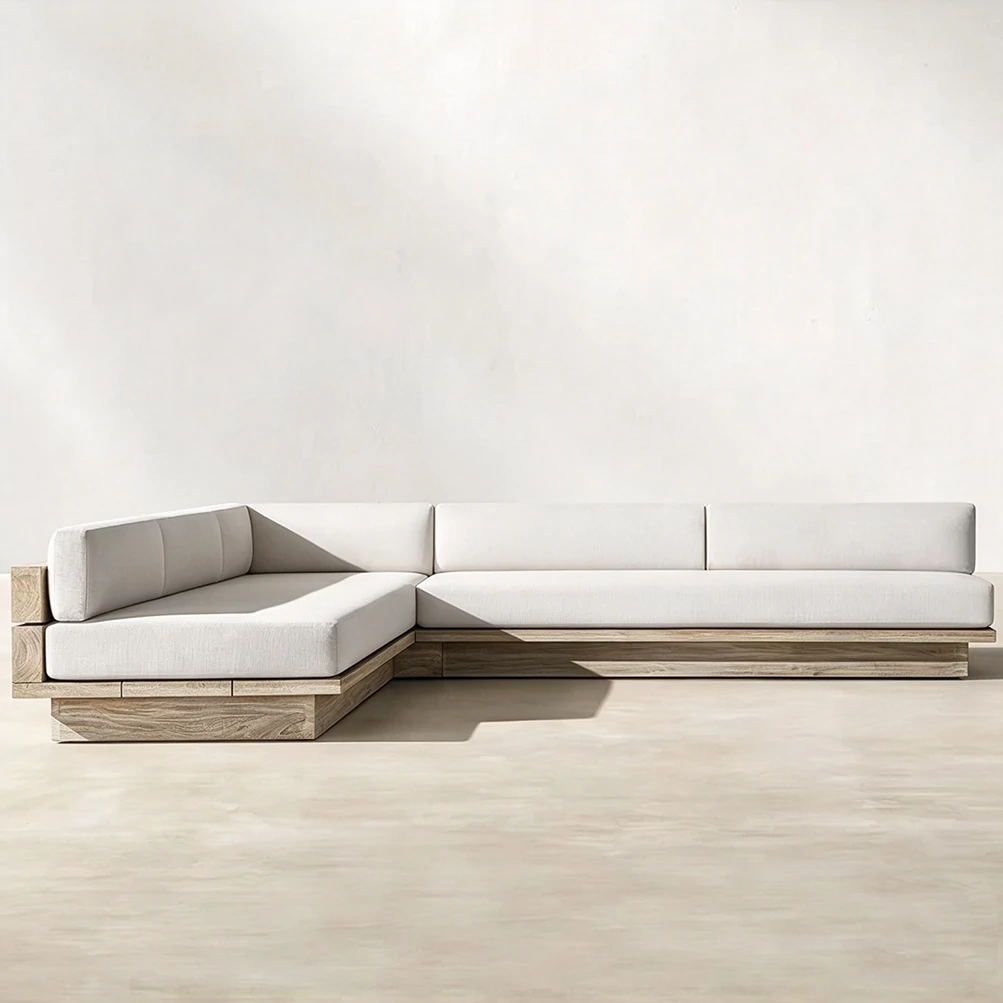








High-end outdoor furniture is designed to withstand demanding outdoor conditions, but even premium materials require proper care to maintain their appearance, comfort, and structural performance. Unlike indoor furniture, outdoor pieces are continuously exposed to sunlight, rain, humidity, dust, temperature changes, and, in coastal areas, salt air.
For homeowners, contractors, and professional house cleaners, proper maintenance is therefore not simply about keeping furniture clean. It is about preventing premature material deterioration and extending the service life of the entire furniture set.
From the perspective of an производитель уличной мебели, Chicasa wants to point out that the right maintenance method also depends on the material. Aluminum frames, teak wood, synthetic wicker, and outdoor fabrics each require different care. A consistent maintenance routine can help preserve high-end outdoor furniture and reduce unnecessary replacement costs.
Why High-End Outdoor Furniture Requires Regular Maintenance
UV Exposure Can Damage Surfaces and Fabrics
Continuous exposure to ultraviolet radiation can gradually affect outdoor furniture. Strong sunlight may cause colors to fade, coatings to deteriorate, and fabrics to lose their original appearance.
Outdoor sofas and leisure chairs are particularly exposed because their upholstery and cushions often remain under direct sunlight for long periods.
Using shade structures, rotating furniture when practical, and selecting UV-resistant materials can reduce the effects of prolonged sun exposure.
Moisture Can Cause Mold and Corrosion
Rain and humidity create different problems depending on the material. Water that remains trapped in cushions or furniture joints can encourage mold and mildew, while moisture and salt air can accelerate corrosion on unsuitable metal components.
Furniture should therefore be allowed to dry thoroughly after cleaning or heavy rain. In humid or coastal climates, regular inspection is particularly important.
Dirt and Pollutants Accelerate Material Wear
Dust, food residue, bird droppings, tree sap, and pool chemicals can accumulate on outdoor furniture. If left for extended periods, some contaminants can stain surfaces or damage finishes.
Regular cleaning removes these contaminants before they become more difficult to remove.
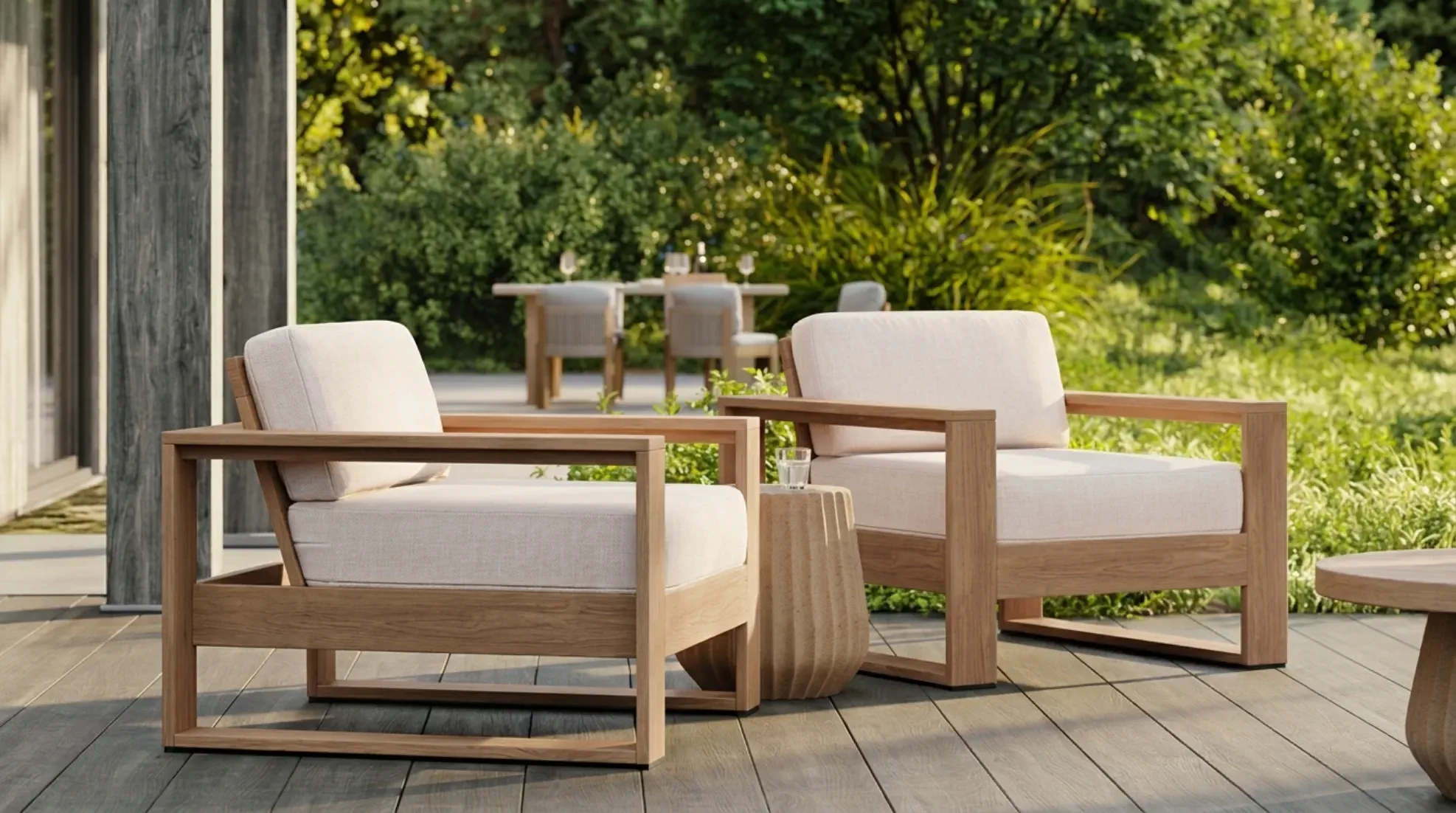
Basic Maintenance Routine for High-End Outdoor Furniture
Remove Dust and Debris Regularly
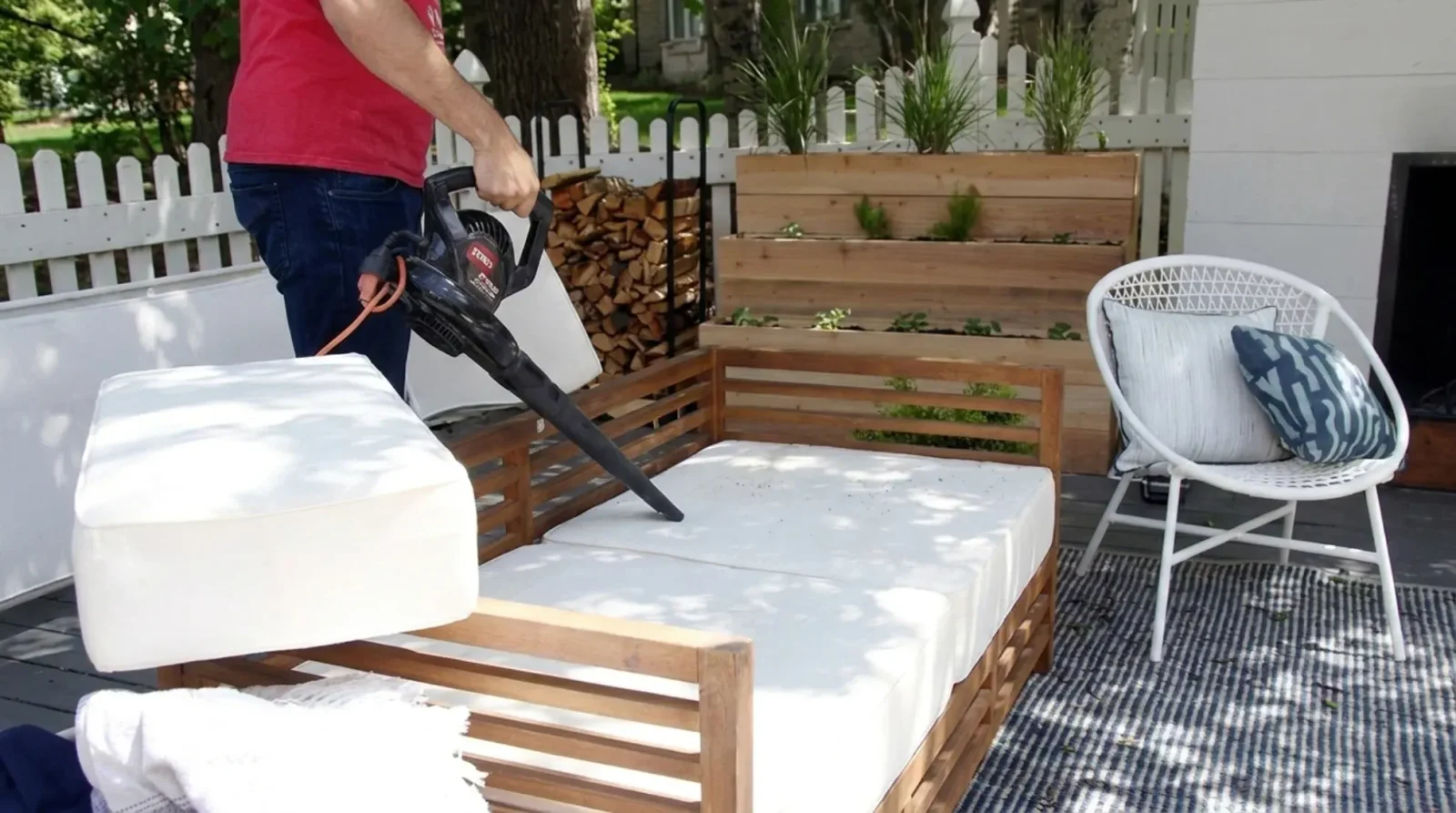
Start with simple dry cleaning. Use a soft brush or microfiber cloth to remove dust, leaves, sand, and other loose debris.
For cushions, gentle vacuuming can remove particles trapped between seams and inside textured surfaces.
Avoid hard brushes or abrasive tools that can scratch coatings, finishes, or upholstery.
Clean with Mild Soap and Water
For routine cleaning, mild soap and clean water are usually sufficient for many outdoor furniture materials.
A practical cleaning process is:
- Remove loose dirt and debris.
- Mix mild soap with water.
- Wipe or gently scrub the surface.
- Rinse away soap residue.
- Allow the furniture to dry completely.
Harsh chemicals should not be used unless specifically recommended for the material, as they can damage coatings, finishes, or fabrics.
Deal with Stains as Soon as Possible
Spilled drinks, food, oil, and bird droppings are easier to remove when treated promptly.
Leaving stains on upholstery or finished surfaces for extended periods can make them harder to remove and may permanently affect the material.
For commercial furniture, spot cleaning should be part of the regular cleaning routine rather than waiting for scheduled deep cleaning.
Keep Furniture Completely Dry
Cleaning is not complete until the furniture has dried thoroughly.
Pay particular attention to cushions, seams, frame joints, and areas where water can collect. If cushions remain damp for long periods, mold and unpleasant odors can develop.
Good airflow and proper drainage are especially important for outdoor sofas and upholstered chairs.
How to Maintain Different Outdoor Furniture Materials
Aluminum Outdoor Furniture
Aluminum is widely used for outdoor furniture because of its lightweight construction and good corrosion resistance. However, the surface finish still requires care.
For routine maintenance:
- Clean with mild soap and water.
- Rinse away dirt and salt deposits.
- Dry the surface after cleaning.
- Inspect coatings for scratches or damage.
Avoid steel wool, abrasive cleaners, and aggressive chemicals that may damage the finish.
For coastal properties, regular rinsing is particularly useful because accumulated salt can affect surface finishes over time.
Teak Outdoor Furniture
Teak is naturally durable and well suited to outdoor environments. Its appearance, however, changes naturally as it ages.
Regular maintenance should include:
- Removing dirt and leaves.
- Cleaning with a suitable wood cleaner.
- Allowing the wood to dry naturally.
- Inspecting the surface for excessive moisture or damage.
One important point is that teak naturally develops a silver-gray appearance when exposed to outdoor conditions. This does not necessarily indicate deterioration.
Owners who prefer the original golden-brown appearance can use an appropriate teak maintenance system, while those who prefer a weathered appearance can allow the wood to age naturally.
Synthetic Wicker and PE Rattan
Synthetic wicker and PE rattan are commonly used for outdoor sofas, dining chairs, and leisure furniture.
Maintenance is relatively straightforward:
- Brush away loose dust and debris.
- Wash with mild soap and water.
- Rinse thoroughly.
- Check periodically for broken or loose strands.
The frame should also be inspected because the performance of synthetic wicker furniture depends on both the outer material and the underlying structure.
Avoid aggressive pressure washing directly against wicker strands, particularly around joints and edges.
Outdoor Fabric and Cushions
Outdoor cushions require particular attention because they can retain moisture.
Regular care should include:
- Removing stains quickly.
- Allowing cushions to dry completely.
- Avoiding prolonged exposure to standing water.
- Removing cushions during extended periods of heavy rain when practical.
- Checking regularly for mold and mildew.
High-quality performance fabric is designed to handle outdoor conditions better than standard indoor fabric, but it still requires proper cleaning and drying.
For outdoor sofas and leisure chairs, cushion foam, drainage, seams, and fabric construction all contribute to long-term performance.
How to Protect High-End Outdoor Furniture from Weather
Use Furniture Covers Strategically
Furniture covers are useful when furniture will not be used for extended periods or when severe weather is expected.
However, covers should not trap moisture underneath. Breathable covers are generally preferable, and furniture should be dry before being covered.
Improve Drainage and Airflow
Standing water is one of the biggest enemies of outdoor furniture.
Keep furniture away from areas where water regularly accumulates and make sure cushions can drain and dry properly.
For outdoor sofas and chairs, adequate airflow around cushions can also reduce the risk of mildew.
Reduce Direct Sun Exposure
Shade is one of the simplest ways to reduce UV-related deterioration.
Depending on the project, buyers can use:
- Umbrellas
- Pergolas
- Canopies
- Covered patios
- Strategic furniture placement
Reducing direct sunlight can help preserve upholstery, coatings, and finishes over time.
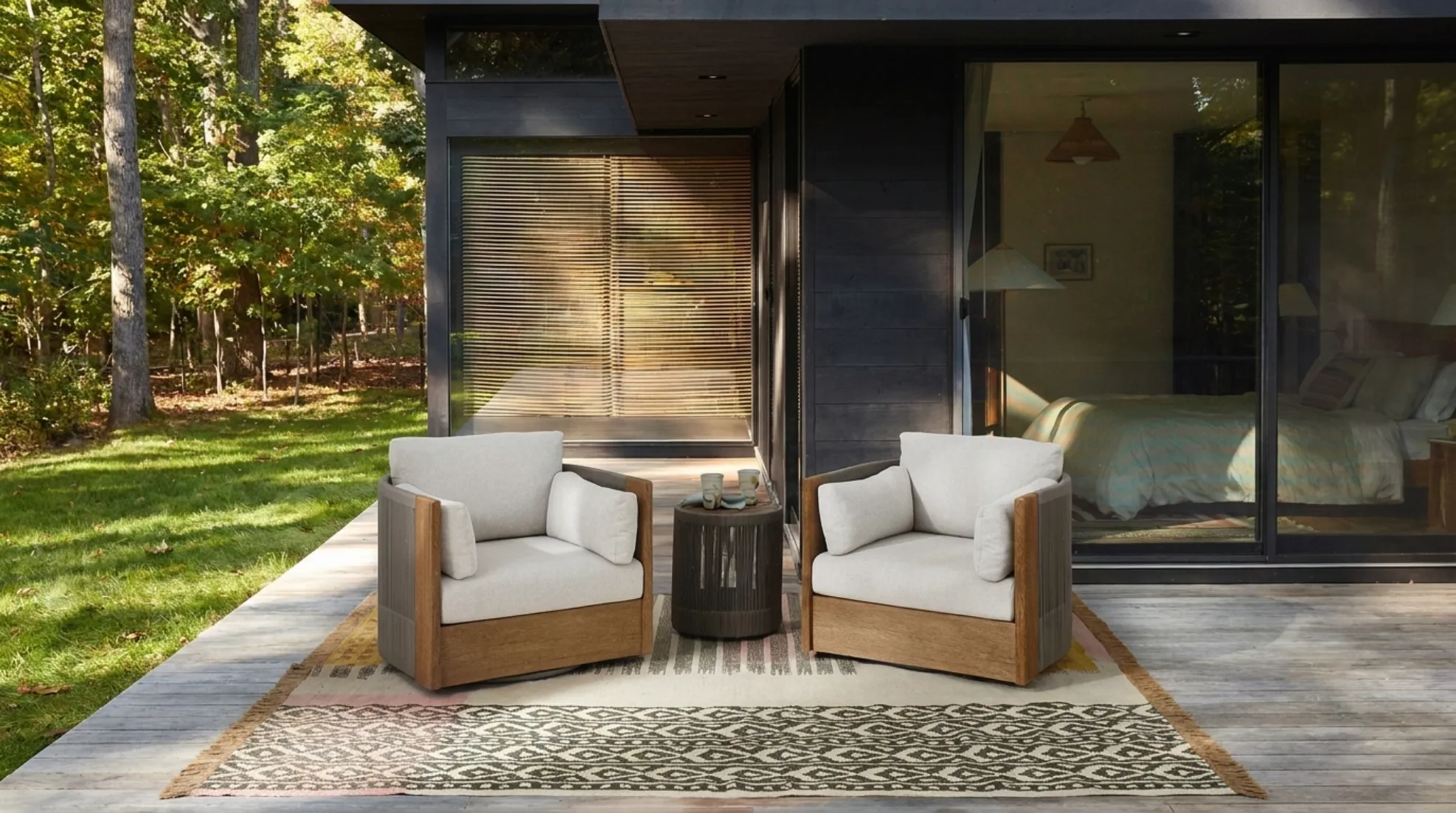
Seasonal Maintenance for High-End Outdoor Furniture
Spring Maintenance
Before the main outdoor season begins:
- Perform a deep cleaning.
- Inspect furniture frames.
- Check cushions and upholstery.
- Inspect finishes and coatings.
- Tighten loose hardware where necessary.
Summer Maintenance
During periods of intense sunlight:
- Clean furniture regularly.
- Monitor fading and surface changes.
- Keep cushions ventilated.
- Use shade where possible.
- Remove spills promptly.
Rainy Season Maintenance
During prolonged wet weather:
- Remove standing water.
- Dry cushions regularly.
- Check for mold and mildew.
- Inspect metal components for corrosion.
- Ensure drainage paths remain clear.
Winter or Long-Term Storage
If furniture will not be used for an extended period, clean and dry it before storage.
Depending on the local climate and furniture design, cushions may be stored indoors while furniture frames are covered or moved into a protected area.
How Often Should You Maintain Outdoor Furniture?
There is no single maintenance schedule for every outdoor furniture project. Climate, usage, material, and location all affect the required frequency.
| Maintenance Task | Recommended Frequency |
|---|---|
| Remove dust and debris | Weekly |
| Basic cleaning | Every 2–4 weeks |
| Deep cleaning | Every 3–6 months |
| Cushion inspection | Monthly |
| Frame inspection | Every 3–6 months |
| Pre-season maintenance | Before peak outdoor season |
| Deep cleaning before storage | Before long-term storage |
Furniture located near the ocean, in humid climates, or in high-traffic commercial environments may require more frequent cleaning and inspection.
Maintenance Starts with Choosing the Right Outdoor Furniture
Good maintenance cannot compensate for furniture that is poorly suited to its environment.
Choose Materials Suitable for the Climate
Different climates create different requirements.
- Hot and dry climates: Prioritize UV-resistant materials and finishes.
- Hot and humid climates: Focus on moisture, mold, and corrosion resistance.
- Coastal environments: Corrosion-resistant frames and finishes are particularly important.
- High-traffic commercial spaces: Prioritize durable materials and easy-clean upholstery.
Consider Furniture Construction
Material selection is only one part of outdoor furniture performance.
Buyers should also evaluate:
- Frame construction
- Surface finish
- Cushion structure
- Drainage
- Hardware
- Upholstery
- Joints and connections
For example, an outdoor sofa with weather-resistant fabric can still experience problems if its cushion construction does not allow sufficient drainage.
Outdoor Furniture Maintenance Checklist
| Check | What to Look For |
|---|---|
| Рама | Rust, corrosion, scratches, loose joints |
| Surface | Fading, stains, coating damage |
| Cushions | Mold, moisture, stains, fabric damage |
| Wicker | Broken or loose strands |
| Hardware | Loose screws or fittings |
| Drainage | Standing water or blocked drainage |
| Covers | Moisture buildup or poor ventilation |
Заключение
Maintaining high-end outdoor furniture is primarily about consistency. Regular cleaning, material-specific care, weather protection, and timely inspections can prevent small problems from developing into expensive repairs or premature replacement.
The correct maintenance routine also depends on the furniture material and environment. Aluminum, teak, synthetic wicker, outdoor fabric, and upholstered furniture should not all be treated in exactly the same way.
For homeowners, contractors, and professional cleaners, the best approach is to establish a maintenance schedule based on climate, usage, and material. For buyers planning a new outdoor project, choosing furniture that is designed for the local environment from the beginning can make maintenance easier and significantly improve long-term value.