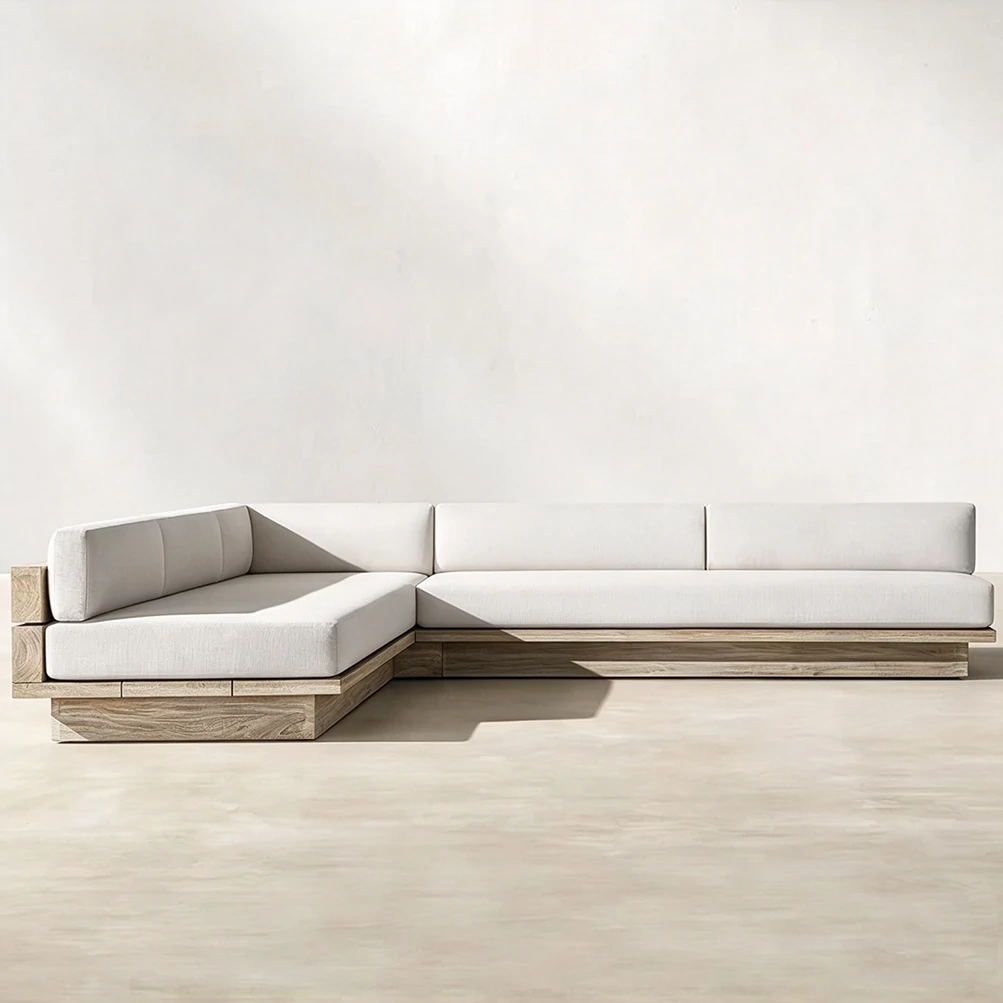








A sofa is not only a functional seating product but also a key element that influences the overall atmosphere, comfort level, and durability of an interior space.
When selecting upholstery, leather and fabric are two of the most common options. Leather sofas are often associated with luxury, durability, and easy maintenance, while fabric sofas are valued for comfort, flexibility, and design variety.
However, the right choice depends on where the sofa will be used, how frequently it will be used, maintenance requirements, and the desired interior style.
与Chicasa合作,一家 领先的豪华家具制造商, ,我们比较 leather vs fabric sofas to help buyers choose the best option for residential, hospitality, and commercial projects.
What are the Advantages and Limitations of Leather Sofas
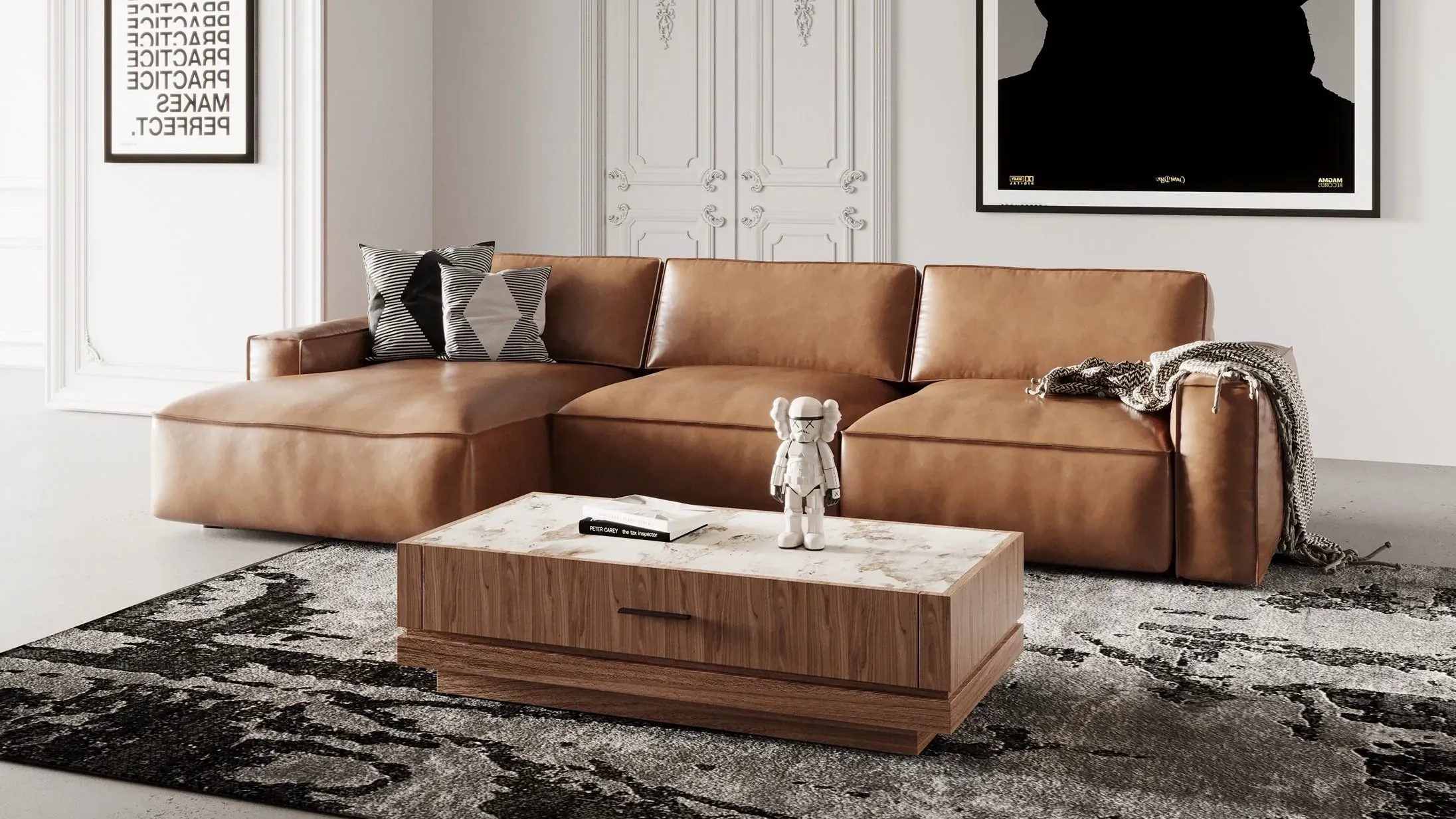
Leather sofas have long been considered a premium furniture choice due to their elegant appearance and long service life. They are widely used in luxury homes, executive offices, hotels, and high-end commercial spaces.
Advantages of Leather Sofas
Premium Appearance
Leather creates a sophisticated and timeless appearance that works especially well in luxury interiors. The natural texture and refined finish of leather can instantly enhance the perceived value of a room.
For projects that require a professional or upscale atmosphere, such as executive lounges or luxury villas, leather sofas are often preferred because they communicate quality and status.
Long Service Life
High-quality leather is highly durable and can maintain its appearance for many years with proper care. Unlike some fabric materials that may fade or wear over time, leather develops a unique patina as it ages.
This makes leather sofas a strong investment for spaces where furniture longevity is a priority.
Easy Cleaning and Maintenance
One of the biggest advantages of leather upholstery is its easy maintenance.
Daily cleaning usually requires only simple wiping, making leather sofas suitable for environments where spills and frequent cleaning are concerns.
This advantage makes leather a popular choice for:
- Office reception areas
- Hotel lounges
- VIP spaces
- 商业环境
Better Resistance to Spills
Leather surfaces are generally less absorbent than fabric, allowing liquids to be cleaned more easily before causing permanent stains.
For high-use spaces, this practical advantage can reduce maintenance effort and long-term operating costs.
Limitations of Leather Sofas
Despite their advantages, leather sofas also have some limitations.
- Higher initial investment: Genuine leather typically costs more than fabric upholstery.
- Temperature sensitivity: Leather can feel cooler in winter and warmer in summer.
- Limited design variety: Compared with fabric, leather usually offers fewer colors and textures.
- Maintenance requirements: Although easy to clean, leather still requires conditioning to prevent cracking.
Therefore, leather is not always the best choice for every project.
What are the Advantages and Limitations of Fabric Sofas?
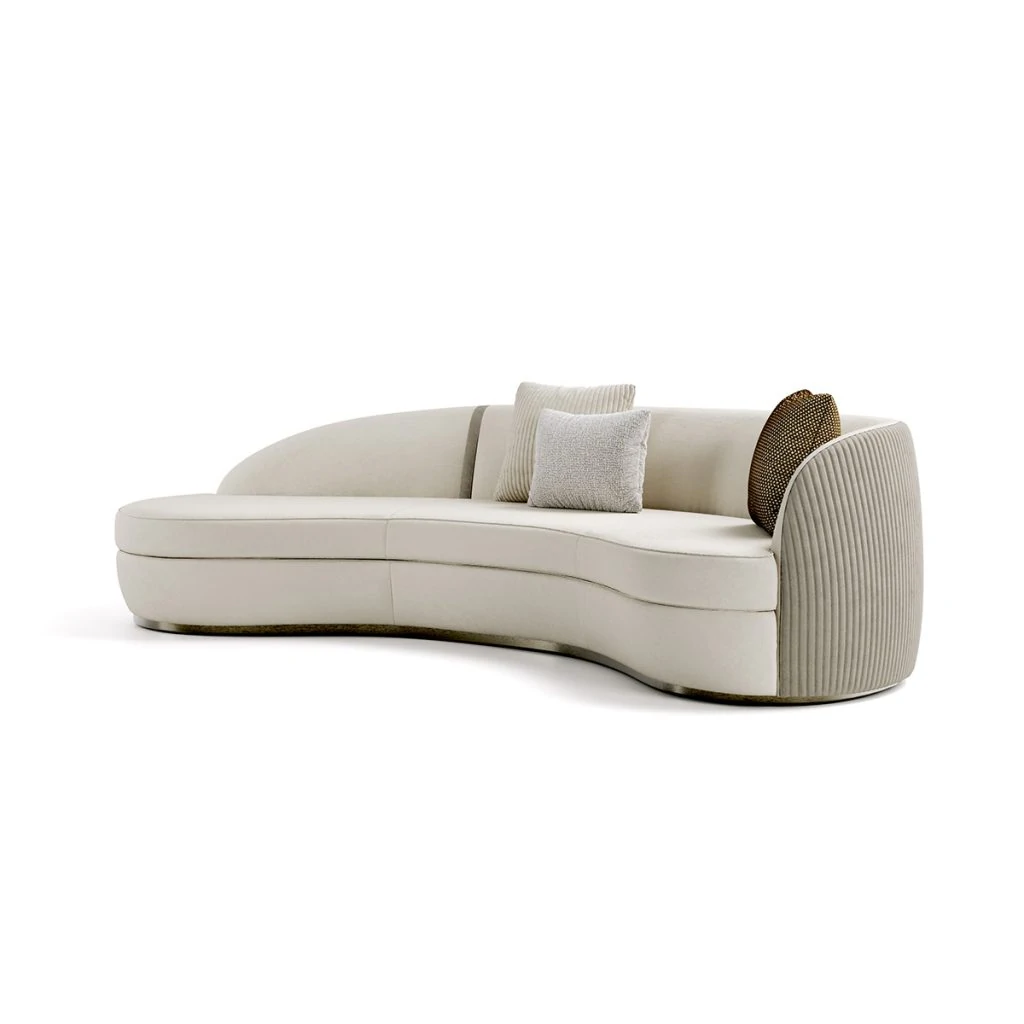
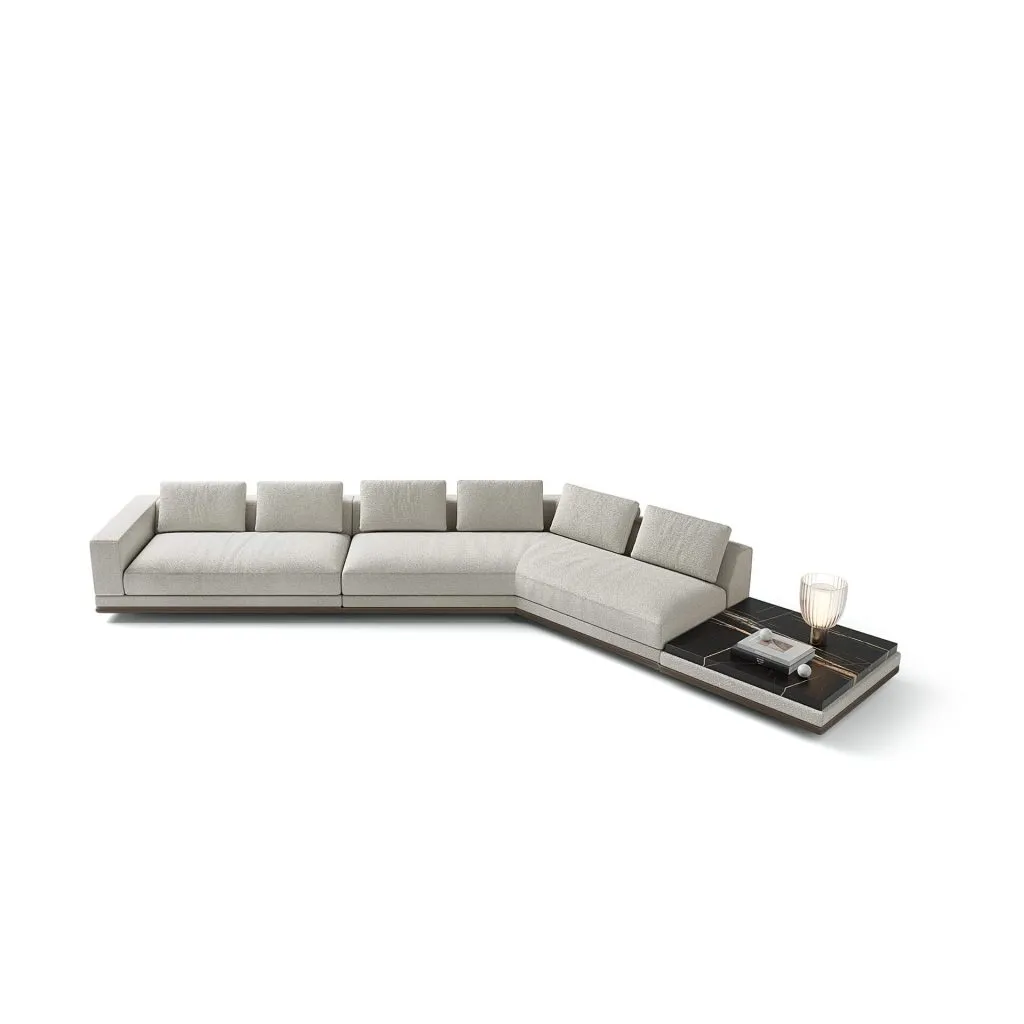
Fabric sofas are widely used in residential and commercial interiors because they offer greater flexibility in design, comfort, and pricing.
Advantages of Fabric Sofas
Greater Design Flexibility
Fabric upholstery provides significantly more options in colors, patterns, and textures.
Designers can choose from various fabric styles to match different interior concepts, including:
- Modern minimalist interiors
- Scandinavian designs
- Contemporary homes
- Boutique hospitality spaces
This flexibility makes fabric sofas easier to integrate into diverse projects.
Softer and Warmer Feeling
Compared with leather, fabric usually provides a softer and warmer seating experience.
This makes fabric sofas especially suitable for family living rooms where comfort and relaxation are the main priorities.
Better Breathability
Fabric materials generally provide better airflow, creating a more comfortable seating experience during long periods of use.
This is particularly beneficial for residential spaces where people spend several hours relaxing on the sofa.
More Affordable Pricing
Fabric sofas are often more budget-friendly than leather options, making them suitable for projects that require balancing quality and cost.
For apartments, rental properties, and large-scale residential projects, fabric sofas can provide excellent value.
Limitations of Fabric Sofas
Fabric sofas also have some challenges.
- More difficult stain removal: Certain stains may require professional cleaning.
- Regular maintenance required: Fabric may need more frequent cleaning compared with leather.
- Possible odor absorption: Some fabrics can absorb smells in high-use environments.
- Durability varies: Performance depends heavily on fabric quality and construction.
Selecting high-quality performance fabrics is important for commercial applications.
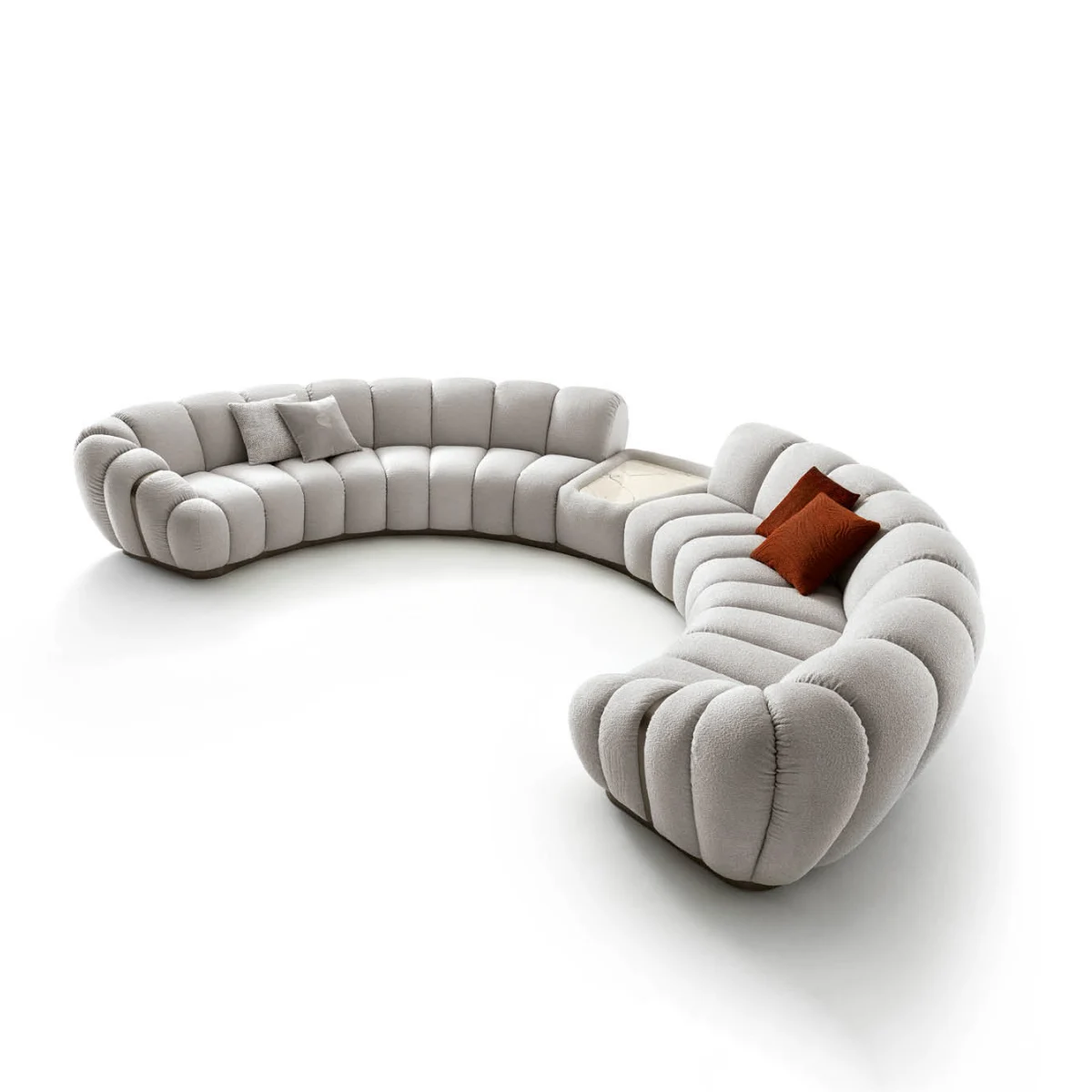
Leather vs Fabric Sofas: Key Differences
| 因子 | Leather Sofa | Fabric Sofa |
|---|---|---|
| 外观 | Premium and elegant | Versatile and decorative |
| Comfort | Cooler and firmer initially | Softer and warmer |
| 耐用性 | Excellent with proper care | Depends on fabric quality |
| 维护 | Easier daily cleaning | Requires deeper cleaning |
| Design options | Limited | Extensive |
| Cost | Higher investment | More budget-friendly |
| Best for | Luxury & commercial spaces | Residential & flexible interiors |
Which Sofa Material Is Better for Different Applications?
The best sofa material depends on the environment, usage frequency, and design requirements.
Residential Living Rooms
For family living rooms, fabric sofas are often preferred because they provide comfort, warmth, and more design choices.
Leather sofas are better suited for homeowners who prefer:
- Luxury appearance
- Minimalist interiors
- 易于维护
Luxury Homes and Villas
Leather sofas are commonly selected for luxury residential projects because they create a premium atmosphere and complement high-end interior styles.
Materials such as genuine leather, premium finishes, and customized designs can enhance the overall value of luxury spaces.
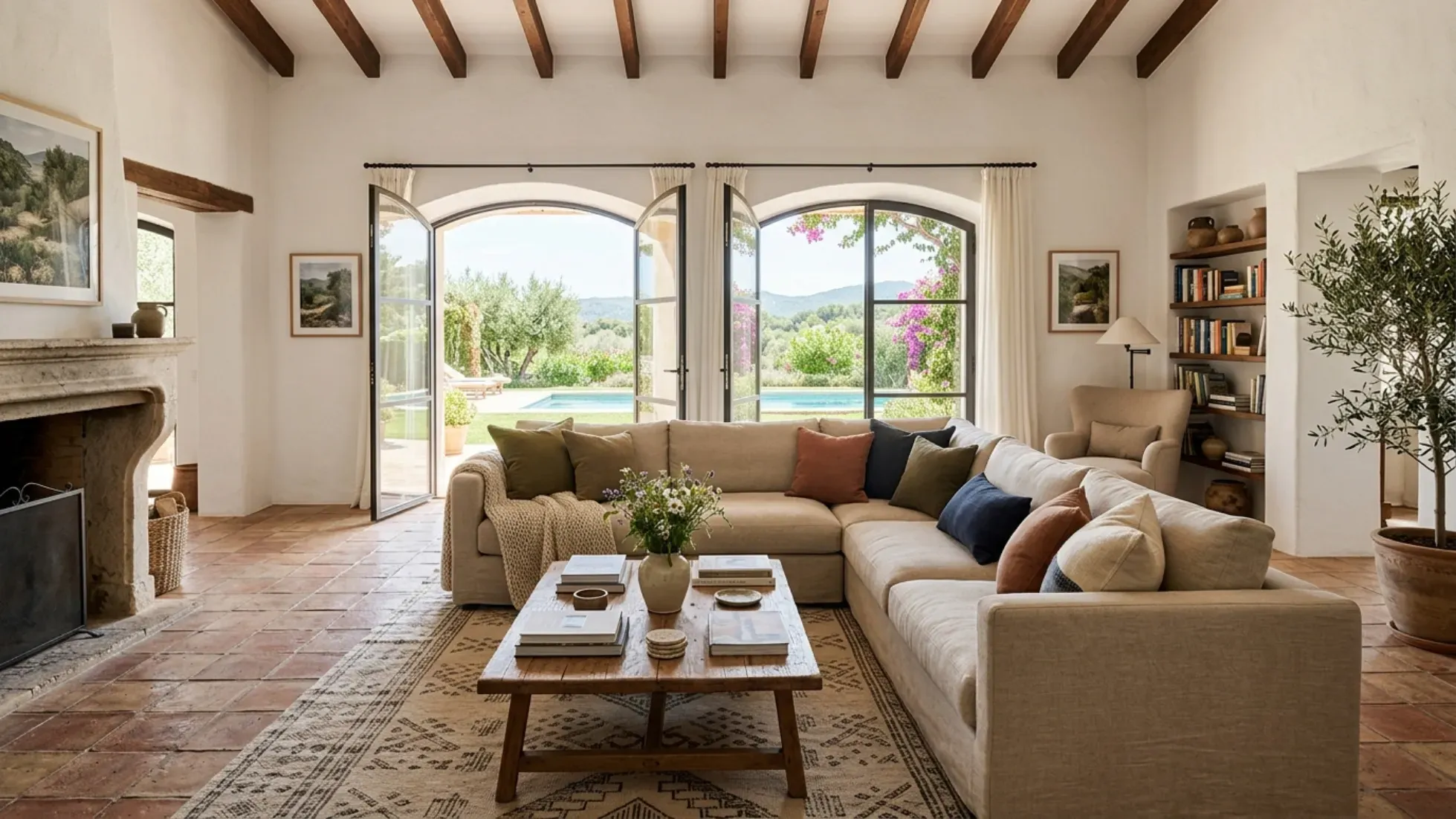
酒店及 hospitality 项目
Hotels require furniture that balances appearance, durability, and maintenance.
- Leather sofas work well in executive lounges, luxury hotels, and VIP areas because of their premium appearance and easy cleaning.
- Premium fabric sofas are suitable for boutique hotels and relaxed hospitality spaces where designers want more texture and color options.
Offices and Commercial Lounges
Office furniture needs to maintain a professional appearance while handling frequent use.
Leather sofas are often preferred for:
- Executive offices
- Reception areas
- Client meeting spaces
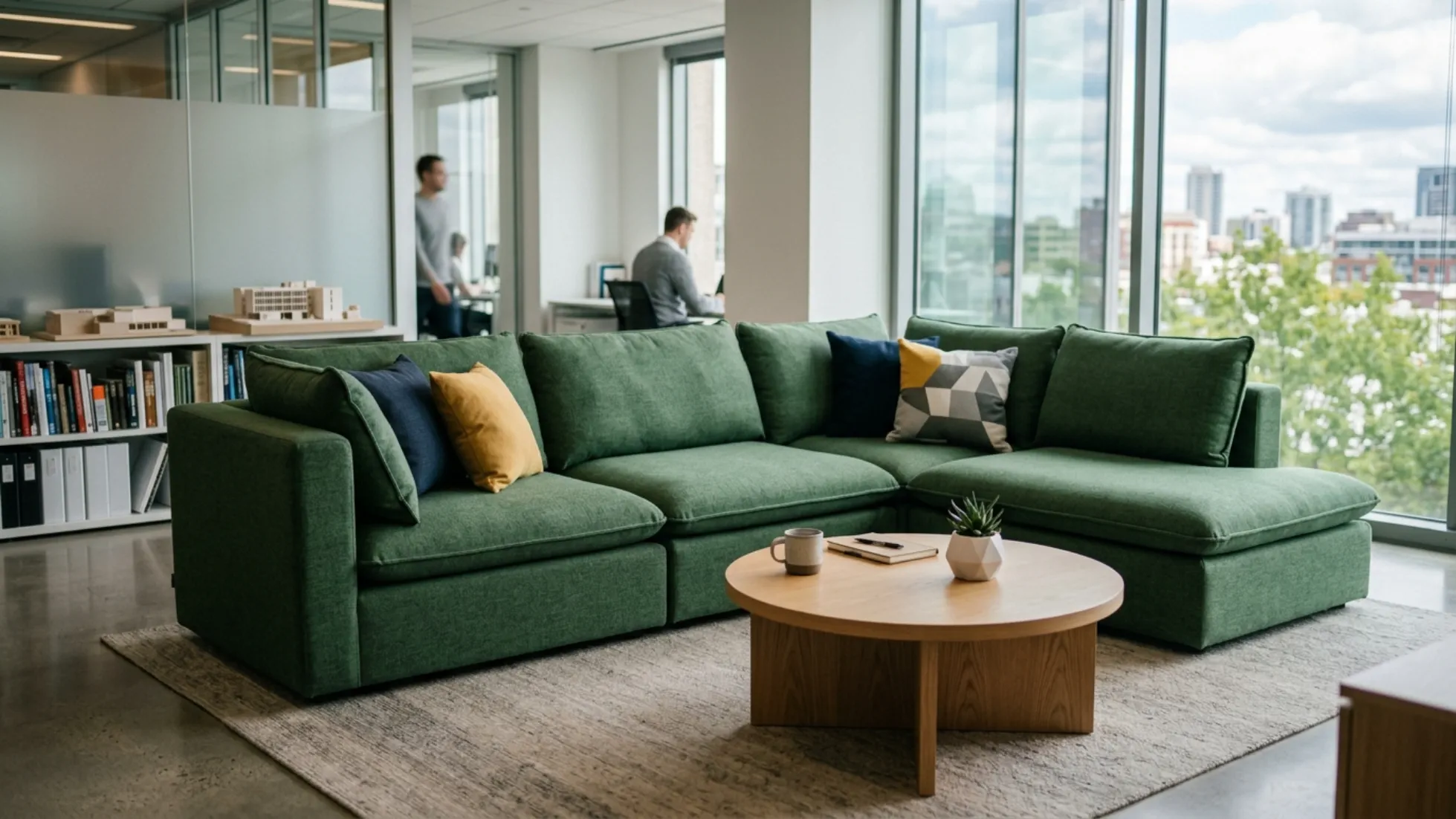
Durable fabric sofas can be suitable for:
- Waiting areas
- Employee lounges
- Collaborative spaces
Restaurants and Public Spaces
Restaurants and public areas require upholstery that can withstand frequent use.
Performance fabric and leather are both suitable options depending on:
- Cleaning frequency
- Customer traffic
- Interior design requirements
Leather vs Fabric Sofas by Application: Quick Comparison
| 应用 | Recommended Material | Why |
|---|---|---|
| Luxury Homes & Villas | Leather Sofa | Creates a premium atmosphere, offers long-term durability, and matches high-end interior styles |
| Family Living Rooms | Fabric Sofa | Provides softer comfort, more color options, and a warmer feeling for daily use |
| Hotels & Luxury Hospitality | Leather or Premium Fabric Sofa | Leather suits executive areas, while premium fabrics offer more design flexibility |
| Office Lounges & Reception Areas | Leather Sofa | Delivers a professional appearance and easier maintenance |
| Restaurants & Public Spaces | Performance Fabric or Leather Sofa | Requires durability, easy cleaning, and resistance to frequent use |
| Apartments & Rental Properties | Fabric Sofa | Offers cost efficiency, flexible styles, and easier replacement options |
How to Choose the Right Sofa Material for Your Project
Consider Usage Frequency
A sofa used every day in a commercial environment requires different materials than one used occasionally in a private residence.
High-traffic projects should prioritize:
- 耐用性
- Easy cleaning
- Wear resistance
Evaluate Maintenance Requirements
请考虑:
- Cleaning difficulty
- Spill resistance
- Maintenance costs
- Replacement frequency
A material that looks attractive but requires excessive maintenance may increase long-term costs.
Match Material with Interior Style
Different materials create different design effects.
Examples:
- Modern luxury → Leather
- Scandinavian style → Fabric
- Hospitality luxury → Leather or premium fabric
- Contemporary residential → Textured fabric
Consider Long-Term Value
The lowest purchase price does not always mean the best investment.
Buyers should evaluate:
- 产品使用寿命
- 维护要求
- User experience
- 重置成本
结论
Both leather and fabric sofas have unique advantages. Leather sofas offer premium appearance, durability, and easy maintenance, making them suitable for luxury homes, executive spaces, and high-end hospitality projects.
Fabric sofas provide greater design flexibility, comfort, and cost efficiency, making them ideal for family homes, apartments, and projects requiring diverse styles.
For contractors, designers, and furniture buyers, the best choice depends on the specific application, usage conditions, and long-term goals. Understanding these differences helps ensure that the selected sofa not only matches the interior design vision but also delivers reliable performance over time.